A slow drain on Monday, a dripping faucet by Wednesday, and suddenly your Saturday is spent moving towels around a leaking pipe. That is how small issues turn into big interruptions. If you want to prevent plumbing problems at home, the goal is not perfection. It is catching wear, buildup, and pressure issues early enough that they do not turn into water damage, lost time, and expensive repairs.
Most household plumbing trouble starts quietly. A drain gets a little slower. A toilet runs a little longer. A water heater makes a little more noise than it used to. None of those signs feel urgent in the moment, which is exactly why they get ignored. A good prevention plan is really about paying attention to the small changes before they become the kind of problem that forces you to shut off the water and make an emergency call.
The easiest way to prevent plumbing problems at home
The best place to start is with your daily habits. What goes down your drains matters more than most homeowners think. Kitchen sinks are built to handle water and normal soap residue, but grease, oil, coffee grounds, and fibrous food scraps are a different story. Even if hot water seems to wash grease away, it usually cools farther down the line and sticks to the pipe walls. Over time, that buildup catches more debris and creates a stubborn clog.
Bathroom plumbing has its own version of the same problem. Hair, soap scum, and hygiene products are common causes of slow drains and backups. Flushable wipes are one of the biggest offenders. Even when the label says flushable, they do not break down the way toilet paper does. The result is often a clog that forms deeper in the system, where it is harder to reach and more disruptive to clear.
A few simple changes make a real difference. Use drain strainers where they make sense. Let grease cool and throw it away instead of rinsing it down the sink. Keep wipes, paper towels, cotton products, and anything plastic out of the toilet. These are not glamorous fixes, but they are the kind that prevent a lot of service calls.
Watch for the warning signs homeowners miss
Plumbing problems usually send up a flare before they turn serious. The trouble is that homeowners are busy, and those early signs are easy to brush off.
A dripping faucet may seem minor, but it can point to worn parts, rising water waste, and fixture wear that gets worse with time. A toilet that keeps running after a flush may be a simple internal component issue, or it may be a sign that the fixture is under strain and wasting far more water than expected. Low water pressure in one fixture might mean a clogged aerator. Low pressure throughout the house can signal a bigger issue with the water line, valve, or hidden leak.
Odors matter too. If a sink or tub starts smelling foul, that can mean buildup in the drain. If multiple drains smell bad or gurgle, there may be a venting or sewer line issue developing. The point is not to panic over every odd sound. It is to notice patterns and act before the problem spreads.
Protect the parts of your plumbing system you never see
Homeowners naturally focus on the fixtures they use every day, but some of the biggest risks are hidden behind walls, under sinks, in crawl spaces, or near utility equipment.
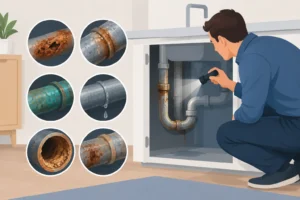
Take a quick look under sinks once in a while. You are not looking for technical details. You are looking for damp cabinets, staining, corrosion, warped materials, or that musty smell that suggests a slow leak. The same goes for exposed pipes in utility areas. A tiny drip can go unnoticed for months if no one checks.
Your water heater deserves attention too. If the area around it is damp, rusty, or showing mineral buildup, that is worth addressing sooner rather than later. Rumbling or popping sounds can mean sediment has collected in the tank. Left alone, that buildup can reduce efficiency and shorten the unit’s life. Some maintenance tasks are manageable for homeowners, but if the heater is older or already showing signs of trouble, professional service is usually the safer choice.
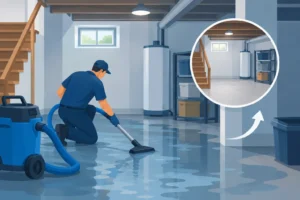
Sump pumps, where homes have them, are another overlooked piece of the puzzle. If the pump fails during heavy rain, water can collect fast. Testing it occasionally and making sure the discharge path is clear can help you avoid a much bigger mess later.
Seasonal changes can create preventable plumbing trouble
Weather plays a bigger role in plumbing than many people expect, especially in areas where temperatures swing and moisture is part of life for much of the year.
Cold snaps can put exposed pipes at risk, especially in garages, crawl spaces, and exterior walls. Insulating vulnerable pipes and disconnecting outdoor hoses before freezing weather arrives can help prevent cracks and bursts. If a pipe is already poorly protected, even one cold stretch can cause damage.
Wet seasons raise a different set of concerns. Gutters and drainage around the home might not sound like plumbing topics, but they affect how water moves around your foundation and utility areas. Too much standing water near the house can increase moisture problems and stress systems that are already aging.
Seasonal maintenance does not have to be complicated. It just needs to happen before the weather puts extra demand on your plumbing system.
Know when a DIY fix helps and when it makes things worse
There is nothing wrong with handling basic upkeep. Cleaning a stopper, replacing a simple flapper, or checking for visible leaks under a sink can save time and help you stay on top of your home. But prevention is different from patchwork.
The risk with DIY plumbing is not just getting the repair wrong. It is thinking the problem is solved when the real cause is still there. A chemical drain cleaner might seem like a quick answer for a clog, but repeated use can be rough on pipes and often does not address the deeper blockage. Tightening a connection may stop a visible drip, but if pressure, corrosion, or worn materials are involved, that leak can return.
It depends on the situation. If the issue is clearly small and you know what you are doing, a simple fix may be fine. If the problem keeps coming back, affects more than one fixture, or involves hidden water, it is time to bring in an experienced plumber. That is usually the difference between a short-term patch and a repair that actually holds up.
A few maintenance habits that pay off
If you want to prevent plumbing problems at home, consistency matters more than intensity. You do not need a long checklist. You need a few smart habits that fit real life.
Check under sinks and around toilets every month or two for moisture or staining. Pay attention to drain speed in tubs, showers, and sinks. Notice changes in water pressure, water color, or water heater performance. Test shutoff valves occasionally so they do not seize up when you actually need them. And make sure everyone in the house knows where the main water shutoff is located.
That last step is one of the most practical things a homeowner can do. If a pipe bursts or a supply line fails, shutting off the water quickly can dramatically reduce damage. In an emergency, even a few minutes matter.
Professional inspections can also be worth it, especially in older homes or homes with recurring plumbing issues. A good plumber is not there just to fix what is broken. They can spot wear, corrosion, weak connections, and early signs of failure before those issues become disruptive. For busy homeowners, that kind of preventive check can save both stress and money.
Prevention is really about protecting your home
People often think of plumbing as a background system until something goes wrong. But when it fails, it affects everything at once – your routine, your comfort, your schedule, and sometimes the structure of the home itself.
A clogged drain can turn into a backup. A hidden leak can damage cabinets, flooring, or drywall. An aging pipe can fail without much warning. That is why prevention is not about being overly cautious. It is about protecting the parts of your home that are expensive to repair and hard to live without.
For homeowners in Port Orchard and nearby communities, staying ahead of plumbing trouble is often less stressful than reacting to it. And when something does start to go wrong, getting clear answers early usually leads to better outcomes than waiting for the problem to force the issue.
A little attention now can spare you a much bigger mess later. If something feels off, trust that instinct and get it looked at before your home starts reminding you the hard way.