That drip under the sink usually starts small. Then the cabinet swells, the floor gets soft, and suddenly a simple plumbing issue turns into a repair bill that reaches well beyond the pipe itself. The best ways to stop leaks are the ones that act fast, fix the actual cause, and keep the same problem from coming back a month later.
For homeowners, that means knowing the difference between a temporary measure and a lasting repair. Some leaks can be slowed down long enough to prevent damage. Others are warning signs that a pipe, valve, fixture, or connection is already failing and needs professional attention right away. The key is not just stopping the water you can see, but catching the water you cannot.
Best ways to stop leaks before damage spreads
The first move is always control. If a leak is active, shut off the nearest fixture valve if you can reach it safely. If that valve is stuck, corroded, or not working, go straight to the main water shutoff for the home. Fast action matters because even a slow leak can soak drywall, insulation, cabinets, and subflooring in less time than most people expect.
Once the water is off, dry the area as much as possible. Towels, fans, and removing stored items from wet cabinets can limit secondary damage. This step is easy to overlook when the focus is on the plumbing itself, but moisture left behind is what leads to warped materials, stains, and mold problems.
After that, take a closer look at where the leak is coming from. A leak at a threaded connection is different from a crack in a supply line. A faucet drip is different from water appearing at the base of a toilet. The right repair depends on the source, and guessing can waste time when the real issue is hidden behind the wall or under the floor.
Start with shutoff valves and supply lines
A lot of household leaks begin at the connections you use every day without thinking about them. Under sinks, behind toilets, and near washing machines, supply lines and shutoff valves take constant pressure. Over time, rubber washers harden, braided hoses wear out, and old valves stop sealing properly.
If you notice dripping at a connection point, tightening it slightly may help, but only if the fitting is loose. Overtightening can crack fittings or damage threads, which makes the leak worse. If the hose looks rusted, kinked, bulged, or damp along the line itself, replacement is usually the smarter move than trying to force another year out of it.
This is one of those areas where temporary fixes rarely age well. Tape wrapped around a failing supply line may buy a little time, but it is not a dependable repair. If a line is weakening, replacement is the best way to stop a future burst.
Watch older fixture connections closely
Homes with aging plumbing often have shutoff valves that look fine from the outside but fail when used. That is why small leaks sometimes turn into bigger ones during a repair attempt. If a valve will not close fully, leaks around the stem, or feels frozen in place, it should be addressed before it becomes an emergency.
Stop faucet and shower leaks at the source
Dripping faucets and showerheads are frustrating, but they also point to wear inside the fixture. In many cases, the issue comes from worn cartridges, seals, O-rings, or valve seats. Replacing the correct internal part usually solves the problem, but the details matter. Different brands and models use different components, and installing the wrong one can leave you with the same drip or poor water flow.
If the leak is only at the spout, the repair may be straightforward. If water is leaking around the handle, behind the trim plate, or into the wall cavity, that is a bigger concern. Hidden shower valve leaks can damage framing for a long time before they become visible.
There is also a trade-off here. Repairing an otherwise solid fixture can be cost-effective. But if the faucet is old, corroded, or already giving you low pressure and loose handles, replacement may be the better long-term call.
Toilets leak in more than one way
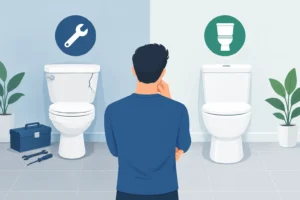
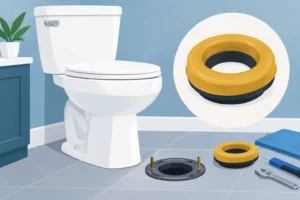
Toilet leaks are not always dramatic, but they can waste a surprising amount of water and quietly damage flooring. Sometimes the problem is a worn flapper that lets water move from the tank into the bowl. Other times it is a supply line issue, a leaking shutoff valve, or a failed wax ring at the base.
A flapper leak usually shows up as a toilet that runs on and off. That repair can be simple if the tank parts are the issue. Water around the base is different. That can point to a bad seal, a loose toilet, or even a crack in the fixture. In those cases, stopping the leak means pulling the toilet, checking the flange, replacing the seal, and making sure the toilet is set properly.
If the floor feels soft near the toilet, do not wait. By the time that damage is noticeable, water has often been getting below the surface for a while.
Pipes under sinks need more than a quick patch
Leaks under kitchen and bathroom sinks are common because there are so many possible failure points in a small space. The drain assembly, P-trap, supply lines, shutoff valves, faucet connections, and sink rim can all be involved.
When a leak appears only while the sink is draining, the problem is often on the drain side. When it drips constantly, the water supply side is more likely. That distinction helps narrow things down, but it does not always tell the full story. A sink can leak from more than one place at once, especially in older setups that have been repaired piece by piece over the years.
This is why the best ways to stop leaks in sink cabinets are usually methodical, not rushed. Dry everything first, test one part at a time, and replace worn components instead of layering one patch over another. A clean repair now is cheaper than replacing cabinetry later.
Hidden leaks are the ones that cost the most
Not every plumbing leak announces itself with a puddle. Some show up as peeling paint, a musty smell, a warm spot on the floor, a rising water bill, or the sound of water movement when no fixture is running. These hidden leaks are often the most expensive because they stay active longer.
Walls, ceilings, and crawl spaces can conceal active water loss for weeks or months. By the time staining appears, the leak may have already damaged framing, insulation, and finished surfaces. Slab leaks and pipe leaks inside walls are especially important to catch early because the repair is often more involved.
If you suspect a hidden leak, one useful check is your water meter. Turn off all water-using fixtures and appliances, then watch the meter. If it continues moving, water is likely escaping somewhere in the system. That is a strong sign to call for leak detection instead of waiting for visible damage.
Know when a stain means active trouble
A ceiling stain does not always mean the leak is happening right now, but it should never be ignored. Plumbing leaks can travel along framing and appear away from the source. If the stain is growing, soft to the touch, or accompanied by dripping, the issue is active and needs immediate attention.
Temporary fixes have a place, but only for a moment
Pipe repair tape, epoxy, buckets, and towels can help reduce damage until a plumber arrives. They are useful when the goal is short-term control. They are not the best ways to stop leaks for good.
That matters because temporary fixes can create a false sense of security. A patched pinhole leak may still indicate pipe corrosion. A clamped crack may mean the pipe wall is failing. If the underlying material is compromised, the leak is likely to return, often at the worst time.
A dependable repair starts with identifying why the leak happened. Was it age, water pressure, freezing, corrosion, a bad installation, or movement in the pipe? Lasting work addresses that cause, not just the wet spot.
Prevention is one of the best ways to stop leaks
The most affordable leak repair is the one you never need. Regular checks under sinks, behind toilets, around water heaters, and at visible plumbing connections can catch early warning signs before they turn urgent. Look for corrosion, mineral buildup, discoloration, swelling, dripping, or damp surfaces.
It also helps to pay attention to changes in water pressure and water bills. Higher pressure can strain plumbing components, while an unexplained bill increase can point to an active leak. In colder weather, protecting exposed pipes matters too, especially in vulnerable areas like garages, crawl spaces, and exterior walls.
For many homeowners, the biggest advantage comes from acting early. A small repair done at the right time is usually faster, cleaner, and less disruptive than emergency work after water damage has spread.
When a leak does show up, the goal is simple: stop the water, protect the home, and fix it in a way that lasts. If you are dealing with an active leak or a plumbing issue that keeps coming back, getting the right repair in place quickly can save a lot of stress later. Don’t stress the mess, call LeakLess.