Nothing throws off a morning faster than stepping into the shower and getting hit with cold water. When that happens, water heater repair in Poulsbo stops being a chore on the to-do list and becomes the one thing that needs attention now.
Most homeowners do not spend much time thinking about their water heater until it starts acting up. That makes sense. It sits quietly in the garage, closet, or utility room doing its job for years. But when it starts making noise, leaking, producing rusty water, or failing to keep up with your household, those small warning signs can turn into expensive damage if they are ignored.
If your system is not working the way it should, the right move is to treat the problem early. Some issues are simple repairs. Others point to a unit that is near the end of its life. The key is knowing the difference before you lose hot water completely or end up with water damage on top of the repair.
Signs you may need water heater repair in Poulsbo
A failing water heater rarely quits without warning. In most homes, the clues start small. You may notice that hot water runs out faster than it used to. Maybe the water temperature changes from one shower to the next, or you hear popping and rumbling sounds when the tank heats up.
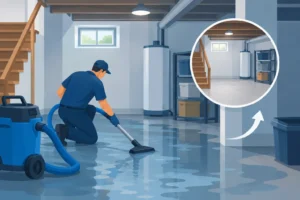
Leaks are another major red flag. A little water around the base of the unit may not look urgent at first, but even a slow drip can signal a pressure issue, a failing valve, or corrosion in the tank. If left alone, that minor leak can spread to flooring, drywall, and anything stored nearby.
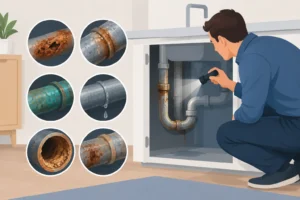
Discolored hot water also deserves attention. Rust-colored water can mean corrosion inside the tank or deterioration in connected plumbing. If the smell seems off, especially if it has a sulfur or rotten egg odor, there may be bacteria in the tank that needs to be addressed.
Higher energy bills can be part of the story too. A water heater that is struggling to heat efficiently often works harder and longer than it should. That extra effort shows up in monthly utility costs, even before the system fully breaks down.
What usually goes wrong with a water heater
The exact repair depends on whether you have a gas or electric unit, the age of the system, and how much wear it has seen over time. Still, a few problems show up again and again in residential service calls.
Heating elements often fail in electric water heaters. When one element burns out, the tank may still produce some hot water, but not enough for normal household use. In gas units, the issue may be tied to the burner assembly, the thermocouple, or the pilot light system. These parts wear out, get dirty, or stop working as they should.
Thermostat problems are also common. If the thermostat is inaccurate or failing, the unit may overheat water, underheat it, or cycle inconsistently. Pressure relief valves can wear down as well, and when they do, the system may release water or fail to regulate pressure safely.
Sediment buildup is one of the most overlooked causes of trouble. As minerals settle at the bottom of the tank, the unit has to work harder to heat water through that layer. Over time, that buildup creates noise, reduces efficiency, and puts extra strain on the tank. In some cases, flushing the tank helps. In others, the damage has already been done.
Repair or replace? It depends on the age and condition
This is where homeowners often want a straight yes or no answer, but the honest answer is that it depends. Not every problem calls for a replacement. At the same time, not every repair is worth making.
If your water heater is newer and the issue is limited to a valve, thermostat, igniter, or heating element, repair is often the smart move. Those are targeted fixes that can restore normal performance without the cost of a full replacement.
If the tank itself is leaking or showing signs of internal corrosion, replacement is usually the better choice. Once the tank body starts failing, repairs become limited and temporary. The same goes for older units that have repeated problems. A repair may get you through the moment, but it may not buy you much dependable time.
For many homeowners, the practical cutoff is around 8 to 12 years, depending on the brand, maintenance history, and water quality. Some units last longer. Some wear out sooner. What matters most is whether the repair solves the actual problem or just delays the next call.
Why quick action matters more than most people think
A water heater issue is not only about comfort. It can become a bigger household problem fast.
If the unit is leaking, water can damage nearby walls, flooring, and stored items. If the pressure relief system is not working correctly, that is a safety concern. If the burner or electrical components are failing, the unit may stop suddenly when you need it most.
There is also the inconvenience factor. Busy households depend on reliable hot water for showers, laundry, dishes, and day-to-day cleaning. When the system is unreliable, routines get disrupted quickly. That is why same-day service matters. The sooner the problem is diagnosed, the better the chance of avoiding a larger repair, a full loss of hot water, or collateral water damage.
What to expect from professional water heater repair Poulsbo service
Good repair service should do more than get hot water running for the moment. It should identify why the issue happened and whether anything else is likely to fail soon.
A proper service visit usually starts with a close inspection of the tank, connections, controls, and visible signs of wear. From there, the plumber checks the heating or burner components, thermostat operation, safety features, and any leak points. The goal is not guesswork. The goal is a clear answer.
Homeowners should also expect straightforward communication. If the problem can be repaired, you should know what failed, what it takes to fix it, and whether that repair is likely to hold up. If replacement makes more sense, you should hear that plainly too. No one wants to pay for a patch job only to face the same issue again a week later.
That is where a local company with a practical approach stands out. Leakless Plumbing focuses on dependable repairs, honest recommendations, and service that reduces stress instead of adding to it. When hot water is out or a tank is leaking, clear answers matter just as much as quick response.
A few things homeowners can do before calling
There are a few safe checks you can make before scheduling service. First, look around the unit for visible leaks. Next, consider whether the problem affects all hot water in the house or just one fixture. If only one faucet or shower has an issue, the problem may not be the water heater at all.
For electric units, a tripped breaker may be part of the problem. For gas units, a pilot light issue may be involved. That said, if you smell gas, see active leaking, or notice signs of overheating, skip the troubleshooting and call for service right away.
It is also helpful to note the age of the unit if you know it, along with any recent changes in performance. Those details can help speed up the diagnosis once a plumber arrives.
Preventing the next water heater problem
Not every breakdown can be prevented, but regular maintenance does make a difference. Tank flushing helps reduce sediment buildup. Inspecting valves and connections can catch wear before it turns into a leak. Paying attention to small changes in temperature, pressure, or noise can also help you act before the problem grows.
If your unit is getting older, it is smart to think ahead instead of waiting for a complete failure. A struggling water heater often gives plenty of hints before it quits. Taking those signs seriously can save you money, time, and a lot of frustration.
When your hot water turns unreliable, the best next step is not to wait and hope it clears up on its own. A quick repair today can be the difference between a simple fix and a much bigger mess tomorrow – and around here, that peace of mind matters.