A toilet starts rising instead of flushing, a pipe under the sink lets go at 9 p.m., or the water heater suddenly leaves a puddle across the garage floor. That is when a homeowner guide emergency plumbing plan matters most – not after the damage spreads, but in the first few minutes when the right move can save flooring, cabinets, drywall, and a lot of stress.
Most plumbing emergencies feel bigger because they happen fast and usually at the worst time. The good news is that homeowners do not need to know how to perform major repairs to make a smart first response. What helps is knowing how to stop the immediate problem, protect the home, and recognize when a temporary fix is not enough.
What counts as an emergency plumbing problem?
Not every plumbing issue needs a late-night service call, but some absolutely do. A dripping faucet is annoying. A burst supply line, overflowing toilet, sewer smell paired with backup, or a failed water heater leaking steadily is a different situation.
A good rule is simple. If water is actively escaping where it should not, if wastewater is coming back into the home, or if there is a safety risk involving electricity, hot water, or contaminated water, treat it as an emergency. The longer those problems sit, the more expensive and disruptive they usually become.
There is also a gray area. A single slow drain may wait until morning. A drain backing up in multiple fixtures at once usually should not. A small leak under a sink might seem manageable, but if it is soaking the cabinet base or traveling into the wall, time matters more than many homeowners realize.
The first five minutes matter most
In any homeowner guide emergency plumbing situation, the first step is not grabbing a wrench. It is slowing down enough to make the house safer.
Start by finding the nearest shutoff valve. If the problem is isolated to a sink, toilet, or faucet, the local shutoff may stop the water without affecting the whole house. Turn it clockwise until it stops. If the fixture valve is stuck, broken, or does not fully stop the flow, go straight to the home’s main water shutoff.
Every homeowner should know where that main shutoff is before an emergency happens. In many homes, it is near where the water line enters the house, in a garage, crawl space, utility room, or outside near the meter. If you have to search for it during a leak, you are already losing time.
Once the water is off, cut power to any nearby electrical area if water is approaching outlets, cords, or appliances. Do not stand in water to reach anything electrical. If the risk is unclear, wait for a professional.
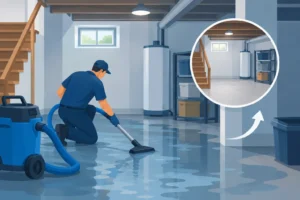
Then move quickly to limit damage. Towels, buckets, and mops help, but so does removing rugs, baskets, stored items, and anything wooden or fabric that can soak up water. If a cabinet is filling up, empty it. If water is spreading across a floor, create a dry path and start containing it at the source.
Emergency plumbing problems homeowners see most
Burst or split pipes are high on the list because they release a lot of water fast. In colder weather, frozen pipes can crack and then leak once they thaw. In older homes, worn pipe connections, corrosion, and failed fittings can do the same thing without warning.
Overflowing toilets are another common emergency, especially if plunging makes the bowl rise higher instead of draining. If one toilet overflows by itself, the issue may be local. If flushing one fixture affects another drain, the problem can be deeper in the system.
Water heater leaks are easy to underestimate. Sometimes the issue is a valve or connection. Sometimes the tank itself has failed, and once that happens, repair is rarely the long-term answer. A leaking water heater can go from nuisance to major floor damage quickly.
Clogged drains can also become emergencies when they affect showers, tubs, sinks, and toilets at the same time. That usually points to a bigger blockage instead of a simple clog near one fixture.
Sump pump failure can be urgent too, especially during heavy rain or when groundwater is already high. If the pump stops working and water begins collecting where it should not, waiting can mean significant property damage.
What you can do safely before the plumber arrives
Homeowners can do a lot to reduce damage, but there is a line between helpful action and making the repair harder.
If a toilet is overflowing, shut off the valve behind the toilet and avoid repeated flushing. A plunger may help if the bowl is not already too full, but if water drains slowly and then rises again, stop there. Repeated attempts can send more water onto the floor.
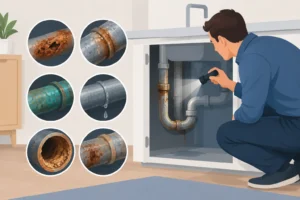
For a leaking pipe under a sink, place a bucket underneath, dry the area so you can see where the leak is coming from, and shut off the local valves. If the leak continues, the shutoff may have failed or the leak may be on the supply side before the valve, which means the main water shutoff is the safer move.
For water heater issues, shut off the cold-water supply to the unit if you can do it safely. If you suspect a gas smell or anything involving combustion equipment seems off, leave that part alone and call for help right away.
If a drain is blocked, skip chemical drain cleaners. They rarely solve a serious blockage, and they can create a more hazardous work area for anyone who has to open the line afterward. The same goes for aggressively forcing tools down a drain if you do not know what is causing the backup.
When a temporary fix is not enough
One of the biggest mistakes homeowners make is assuming the emergency is over because the visible water stopped. Sometimes it is. Often it is only paused.
A pipe clamp, a tightened connection, or a shutoff valve can buy time. It does not always solve the underlying cause. If a pipe split from age, pressure problems, or freezing, another weak point may be close behind. If a toilet backed up because of a main drain issue, getting one flush to work does not mean the system is clear.
That is why experienced plumbers look beyond the immediate mess. The goal is not just to stop today’s leak. It is to fix the condition that caused it, check for hidden damage, and reduce the chance of the same call happening again next month.
How to know it is time to call right away
Call for emergency plumbing help if water cannot be fully shut off, if wastewater is backing up, if a leak is affecting ceilings or walls, if multiple fixtures are failing together, or if there is any safety concern around power, hot water, or possible contamination.
It also makes sense to call when the situation is technically small but practically disruptive. Busy households do not always have the luxury of waiting around with the main water off overnight. If you have children at home, only one working bathroom, or signs that the problem is spreading, a fast repair can save more than money. It can save your schedule and your sanity.
For homeowners in Port Orchard and nearby communities, fast local response matters because plumbing damage does not stay contained for long. A dependable service call should come with clear communication, realistic expectations, and repair work meant to hold up after the truck leaves.
A smarter homeowner guide emergency plumbing habit
The best emergency response starts before anything leaks. Test your fixture shutoff valves once in a while so they do not seize up. Learn where your main shutoff is and make sure everyone in the household knows it too. Keep a plunger, towels, a bucket, and a flashlight where you can reach them quickly. Pay attention to early warning signs like slow drains, rust-colored water, banging pipes, or moisture under sinks.
These small habits do not prevent every emergency, but they do make emergencies less chaotic. And when a real problem hits, that makes a difference.
If you ever need help and the situation feels bigger than a quick cleanup, trust that instinct. Plumbing problems are easier to handle when someone gets in front of them early. As we like to say at Leakless Plumbing, don’t stress the mess, call LeakLess.