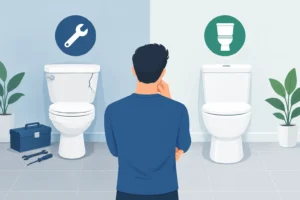
A toilet can look perfectly normal while a failed seal quietly lets water into the floor below it. That is what makes this toilet wax ring guide worth reading before a small damp spot turns into soft flooring, odors, or a repair that reaches beyond the bathroom.
The wax ring sits out of sight beneath the toilet, sealing the connection between the toilet and the drainpipe. It is a simple part, but it has one important job: keep water and sewer gas where they belong. When that seal fails, the signs are not always dramatic. Knowing what to watch for can help you act before the damage spreads.
What a Toilet Wax Ring Does
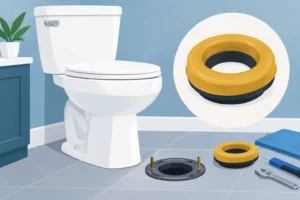
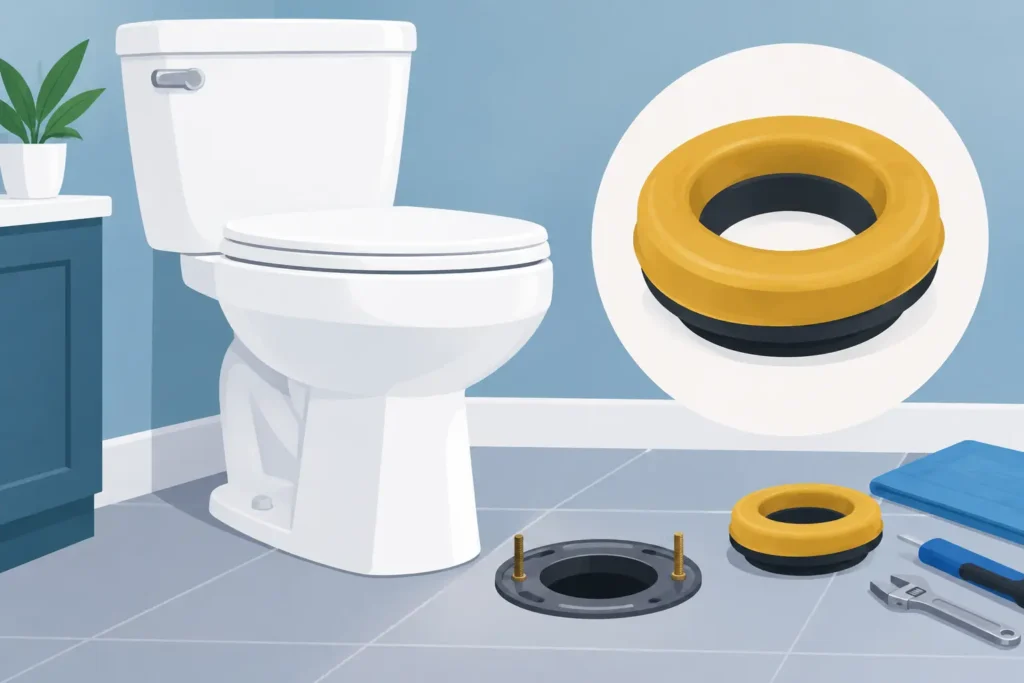
A wax ring is compressed between the bottom of the toilet and the flange, the fitting attached to the drainpipe at floor level. Once the toilet is installed and secured correctly, the wax fills small gaps and creates a watertight, airtight seal.
Wax rings are durable when installed properly, but they are not reusable. If the toilet is lifted for flooring work, a clog removal, or another repair, the old ring should be replaced before the toilet goes back down. Trying to reset a toilet on an already-compressed ring is a gamble that can lead to leaks later.
It also helps to understand what a wax ring does not do. It does not hold the toilet steady. If the toilet rocks or shifts, the cause may be loose mounting bolts, a damaged flange, an uneven floor, or problems below the finished floor. Movement can break the wax seal, but adding more wax will not correct the underlying reason the toilet is moving.
Signs Your Wax Ring May Be Failing
The most common warning sign is water at the base of the toilet, especially after flushing. A small puddle or damp grout line can be easy to dismiss, but it should never be ignored. First, make sure the water is not coming from the supply line, shutoff valve, tank bolts, or condensation on the tank. If those areas are dry and moisture keeps appearing at the base, the seal underneath deserves attention.
A sewer-like odor in the bathroom can also point to a compromised seal. The wax ring helps block sewer gas from entering the room. Odors may also come from a dry drain trap elsewhere in the home, so the source should be checked rather than assumed. Still, a persistent odor near the toilet base is a reason to schedule an inspection.
Other signs include staining or discoloration around the toilet, flooring that feels soft underfoot, loose tiles, peeling vinyl, or a ceiling stain in the room below. By the time visible damage appears downstairs, moisture may have been present for a while. A quick repair is often much less disruptive than waiting for the subfloor to rot.
A toilet that rocks when you sit down or press lightly from side to side needs attention even if there is no visible leak. Each movement can weaken the seal. Avoid repeatedly tightening the toilet bolts to force the bowl down. Porcelain can crack if bolts are overtightened, and a cracked toilet is not a safe or lasting repair.
Choosing the Right Toilet Seal
For many standard toilet installations, a traditional wax ring is still a reliable choice. The key is using the correct size and setting the toilet on a stable, properly positioned flange. The best option depends on the condition and height of that flange, not simply on the toilet model.
A standard-thickness wax ring may work when the flange sits at or slightly above the finished floor. An extra-thick ring may be considered when the flange is set lower than the finished floor, which sometimes happens after new tile or flooring is installed. But stacking wax rings to make up for a major height issue is not a dependable fix. A flange extender or flange repair may be the better long-term solution.
Wax-free toilet seals are another option. These use rubber or foam components instead of wax and can be useful in certain installations, particularly where a toilet may need to be lifted and reset during fitting. They are not automatically better in every situation. The toilet, flange condition, floor height, and manufacturer instructions all matter.
The right seal is only part of the job. A clean flange, solid floor, correctly placed mounting bolts, and a toilet that sits level without rocking are what allow any seal to perform as intended.
Can You Replace a Wax Ring Yourself?
Replacing a wax ring is within reach for an experienced homeowner with the right tools and a helper available to lift the toilet safely. The basic process involves shutting off the water, draining the tank and bowl, disconnecting the supply line, removing the toilet, scraping away old wax, inspecting the flange and floor, installing a new seal, and resetting the toilet.
The challenge is that the job can uncover issues that were not obvious from above. You may find a cracked flange, corroded bolts, a broken flange connection, water-damaged subflooring, or flooring that prevents the toilet from sitting flat. Those conditions call for more than a new ring.
If you decide to handle the work yourself, do not rush the reset. The toilet needs to lower straight onto the seal without being slid around. Once it is seated, check for stability before reconnecting water and testing several flushes. If the toilet rocks, leaks, or will not sit correctly, stop there rather than trying to compensate with excessive bolt pressure or caulk.
Caulk can improve appearance and help keep mop water from running under the toilet, but it is not a repair for a failed wax ring. Many plumbers leave a small gap at the back when caulking so a future leak has a visible path instead of being trapped beneath the toilet.
When a Loose Toilet Needs Professional Repair
Call a plumber when there is water damage, a toilet that continues to rock after simple adjustments, a broken or low flange, or a leak that returns after the ring has been replaced. These are signs that the seal may not be the only issue.
Professional repair is also a practical choice when the toilet is heavy, access is tight, or you are concerned about damaging tile, vinyl, or the bowl itself. A plumber can identify whether the problem is the seal, the flange, the mounting hardware, or the floor structure and make the repair that prevents a repeat leak.
For homeowners in Port Orchard and across Kitsap County, a bathroom leak does not need to become a long-running project. Leakless Plumbing can inspect the toilet, explain what is causing the problem in plain language, and help restore a stable, properly sealed fixture.
How to Prevent Future Wax Ring Problems
The best prevention starts with a toilet that is secure from day one. If you notice movement, moisture, or odor, address it early. Do not use the toilet as a step stool or let children lean heavily on the tank, since repeated force can loosen mounting hardware over time.
After installing new bathroom flooring, pay close attention to the flange height and the way the toilet sits. Finished floor changes are a common reason a previously solid toilet no longer seals correctly. Before covering the area with rugs or bath mats, check around the base occasionally for dampness or discoloration.
A wax ring is inexpensive, but the damage from a failed seal may not be. If your toilet is loose, leaking at the base, or making the bathroom smell off, treating it as an early warning can protect your floor and spare you a much bigger interruption later. Don’t stress the mess, call LeakLess.