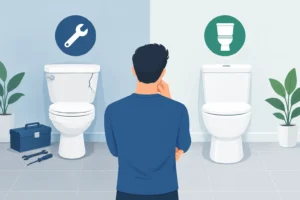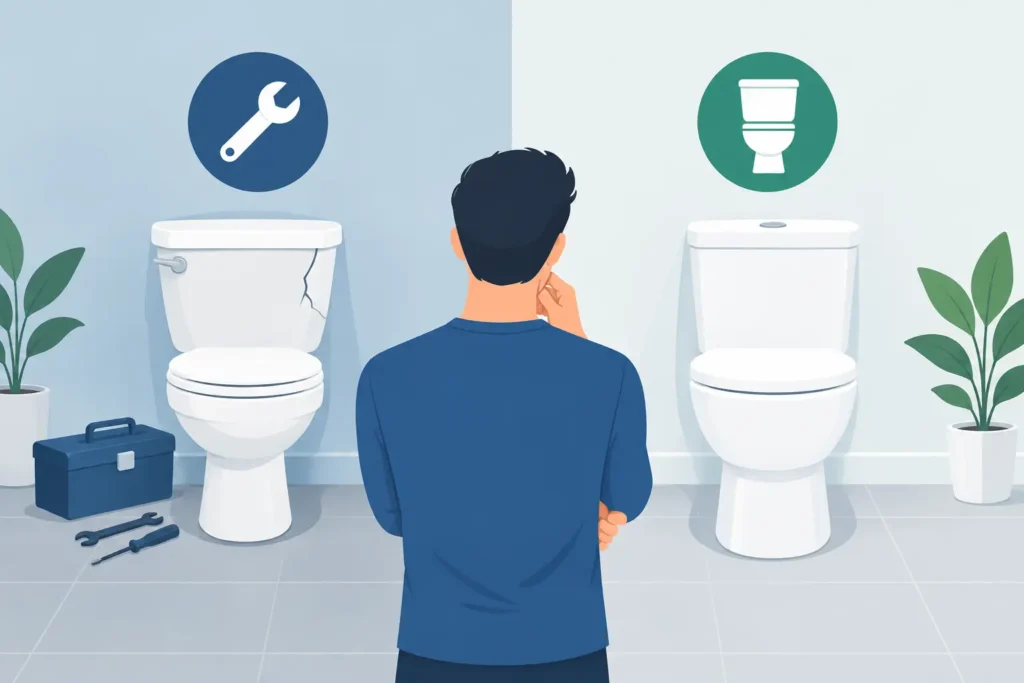
A toilet that keeps running, leaks around the base, or clogs every other day can turn a normal morning into a household headache. The repair versus replace toilet decision is rarely about choosing the cheapest option today. It is about stopping water damage, avoiding repeat service calls, and getting a bathroom fixture you can depend on.
Most toilet problems are repairable. Toilets are simple fixtures, and many failures come from inexpensive moving parts inside the tank. But a cracked bowl, repeated leaks, severe clogs, or damage beneath the toilet can change the equation quickly. Knowing the difference helps you act before a small bathroom problem becomes a damaged floor or ceiling below.
When Toilet Repair Is the Smart Choice
A repair is usually the right move when the porcelain fixture itself is solid and the issue is isolated to a replaceable component. A toilet can look worn but still have many good years left if the bowl, tank, and mounting are in good condition.
A constantly running toilet, for example, often needs a new flapper, fill valve, or flush valve seal. These parts wear out over time, especially in homes with hard water or toilets that get heavy family use. A weak or incomplete flush may come from an adjustment issue, mineral buildup, or a failing tank component rather than a bad toilet.
Leaks between the tank and bowl are also commonly repairable. New bolts, washers, or a tank-to-bowl gasket can often solve the problem. Likewise, a loose handle, slow tank refill, or water that trickles into the bowl generally points to a repair, not a full replacement.
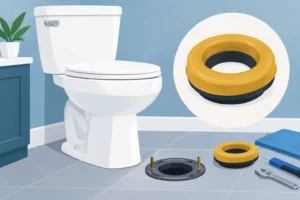
A leak at the base deserves a closer look, but it does not automatically mean the toilet has failed. The wax ring that seals the toilet to the drain can wear out, shift, or lose its seal. Replacing that seal may stop the leak. The key is finding out why it failed. If the toilet rocks, the floor is soft, or the flange beneath the toilet is damaged, simply replacing the wax ring may only delay the next problem.
Signs You Should Replace a Toilet Instead
Replacement makes more sense when the fixture has structural damage, performs poorly despite repairs, or contributes to ongoing water waste and frustration. Porcelain is durable, but it cannot be safely repaired when it is cracked.
A visible crack in the bowl or tank is a clear reason to replace the toilet. Even a hairline crack can spread under pressure, allowing water to leak suddenly onto the floor. Never ignore unexplained water around a toilet, especially if the tank has a crack or the bowl is leaking without being flushed.
Repeated clogs are another warning sign. One clog from excess paper or a child’s toy does not mean the toilet needs to go. But a toilet that clogs frequently under normal use may have a restricted trapway, poor flushing design, or an aging low-flow system that never performed well. If repairs and proper plunging habits have not fixed the pattern, replacement can save a lot of aggravation.
Consider replacement when you see several of these issues at once:
- Cracks in the tank or bowl
- Frequent clogs with normal household use
- A toilet that rocks because of floor or flange damage
- Repeated leaks after previous repairs
- Poor flushing performance that disrupts daily use
- An older model that uses far more water than necessary
An older toilet is not automatically a bad toilet. However, early low-flow models are known for weak flushing in some homes. A modern, properly installed toilet can provide better performance while using less water per flush. For busy households in Port Orchard and across Kitsap County, that can mean fewer clogs, less plunging, and lower water use over time.
Look Beyond the Toilet When There Is a Leak
The most expensive part of a toilet problem is not always the toilet itself. Water can work under flooring, soak subflooring, loosen tile, stain ceilings, and create the conditions for mold growth. That is why a base leak should be addressed promptly, even if it seems small.
If water appears only after flushing, the seal at the base or a drain connection may be the issue. If water shows up continuously, a supply line, shutoff valve, tank crack, or condensation problem may be involved. A plumber can isolate the source before recommending a repair or replacement.
Pay attention to a toilet that rocks when you sit down. Movement can break the seal beneath the fixture and allow wastewater to escape. Shimming or tightening a toilet without checking the flange and floor can create a temporary fix while hidden damage gets worse. A dependable repair starts with the structure below the toilet, not just what is visible in the bathroom.
Compare the Real Cost, Not Just the First Price
Repair is often less expensive upfront, particularly for tank parts and simple seals. That makes it a sensible choice when the toilet is otherwise reliable. But repairing the same toilet several times in a short period can cost more than installing a quality replacement.
Think about the age of the toilet, the condition of the porcelain, the number of recent repairs, and whether the fixture still works well for your household. A toilet with one failed flapper is a repair job. A toilet with a weak flush, recurring clogs, a leaking base, and multiple worn parts may be ready for replacement.
Installation costs also depend on what is found after the toilet is removed. A damaged flange, rotted subfloor, or old shutoff valve may need attention before any new toilet can be installed safely. Clear communication matters here. You should understand what needs to be fixed now, what can wait, and why the recommendation protects your home.
Choosing a Replacement That Will Work Well
If replacement is the right answer, selecting the right toilet helps prevent another round of bathroom problems. The new fixture must fit the existing drain location, available bathroom space, and water supply connection. Most homes use a standard rough-in measurement, but measuring before purchase avoids costly surprises.
Comfort-height models can be easier for many adults to use, while compact round-front bowls may be a better fit in smaller bathrooms. Flush performance matters more than flashy features. Choose a toilet with a proven, effective flush and a trapway designed to move waste without frequent clogs.
It is also worth replacing the supply line and inspecting the shutoff valve during installation. These small components are easy to overlook, yet they can be the source of future leaks. A professional installation ensures the toilet is level, secure, properly sealed, and tested before the job is finished.
Make the Decision Before Damage Spreads
If your toilet is overflowing, shut off the water valve behind it if you can do so safely. Avoid flushing again until the cause is clear. For a leak around the base, place towels down to limit spread and avoid using that toilet until it has been inspected.
For non-emergency problems, keep track of what you are seeing. Does the leak happen after flushing? Does the toilet run at night? Are clogs becoming more frequent? Those details help identify whether a simple repair will hold up or whether replacement is the better long-term value.
Leakless Plumbing approaches toilet problems with the goal of fixing the actual cause, not just quieting the symptom for a few days. Whether your toilet needs a straightforward repair or a properly installed replacement, a clear diagnosis gives you the confidence to make the right call. Don’t stress the mess, call LeakLess before a small toilet issue gets the chance to damage more than your bathroom routine.