When a pipe starts leaking behind a wall or you are planning a repipe, the copper vs pex piping question gets real fast. Most homeowners are not looking for a chemistry lesson. They want to know what lasts, what costs less, and what is least likely to turn into another plumbing headache six months from now.
The honest answer is that both materials can work well. The better choice depends on your home, your budget, your water conditions, and whether you are making a quick repair or investing in a long-term upgrade. A good plumber should explain the trade-offs clearly, not push one option just because it is easier for the job.
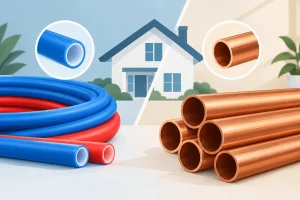
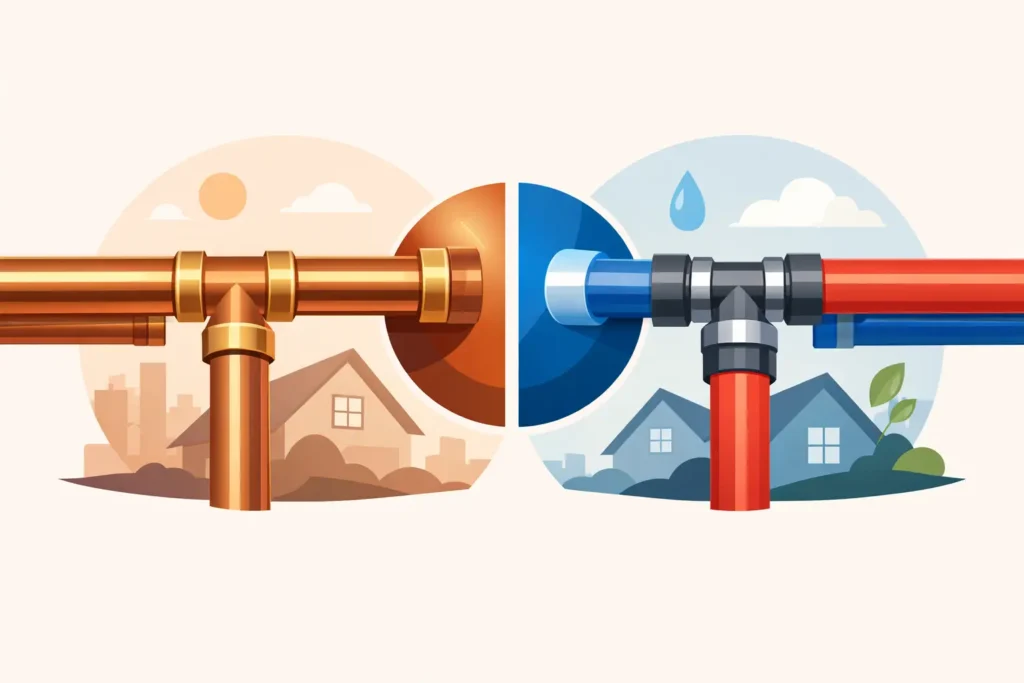
Copper vs PEX piping: the basic difference
Copper is the traditional metal piping many homeowners recognize. It has been used for decades, handles heat well, and has a long track record when installed correctly. If you have an older home, there is a good chance much of your water piping is already copper.
PEX is a flexible plastic tubing designed for water supply lines. It has become very common in newer homes and remodeling projects because it is easier to route through walls and ceilings, often with fewer connections. Fewer fittings can mean fewer potential leak points, especially in hard-to-access places.
That does not make PEX automatically better. Copper still has strengths that matter in many homes, especially where heat, UV exposure, or certain code and installation preferences come into play.
Cost matters, but it should not be the only factor
If you are comparing estimates, PEX usually comes in at a lower installation cost. The material itself is often less expensive than copper, and labor tends to be faster because the tubing is flexible and does not require the same cutting, soldering, and fitting process. For a whole-home repipe, that difference can be significant.
Copper usually costs more up front. Material prices can fluctuate, and labor is more involved. That said, cheaper is not always better if the installation is rushed or the wrong material is used for the conditions in the home.
For homeowners trying to balance budget and reliability, this is often where the conversation starts. If you need a major repipe after repeated leaks, PEX can be a practical way to restore dependable water service without pushing the project cost higher than it needs to be.
How copper and PEX hold up over time
Durability is where the copper vs pex piping debate gets more nuanced. Copper has a long history and can last for decades. It resists physical damage better than plastic in many situations, and it performs well with hot water. But copper is not immune to problems. Corrosion, pinhole leaks, poor water chemistry, and wear at fittings can all shorten its life.
PEX resists corrosion and scale buildup better than copper in many systems. That can be a big advantage in homes dealing with aggressive water conditions. It is also less likely to burst from freezing than rigid pipe because it has some flexibility. That does not mean freeze damage cannot happen. It just means PEX may tolerate cold snaps better in some situations.
On the other hand, PEX can be damaged by UV light, so it should not be left exposed to direct sunlight for long periods. It can also be vulnerable to physical damage if installed carelessly in exposed areas. In a crawl space, utility area, or garage, that matters.
Water quality and your home’s plumbing conditions
One of the biggest factors homeowners miss is water quality. The same material can perform very differently from one property to another. If a home has acidic water or other chemistry issues, copper may develop problems sooner than expected. That is one reason some homes experience repeated pinhole leaks while others do not.
PEX is not subject to the same type of corrosion, which can make it an appealing option when water conditions are rough on metal pipes. Still, the full plumbing system matters. Fittings, valves, water pressure, installation quality, and the age of the rest of the system all affect performance.
This is why a quick glance under the sink is not enough to choose the right piping. A proper evaluation looks at leak history, pressure issues, existing pipe condition, and where the new piping will run.
Which is easier to repair?
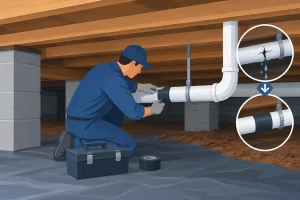
For spot repairs, the best option often depends on what is already in the house. If your home has copper and only one section is damaged, a targeted copper repair may make the most sense. If there have been repeated failures in several areas, patching the same material again may not solve the bigger problem.
PEX can make certain repair jobs faster and less invasive, especially when lines need to be rerouted through finished spaces. That can help reduce wall cuts and shorten the time your water is off. For busy households, that convenience matters more than people think.
Copper repairs are still common and often appropriate, especially when matching an existing system or working in high-heat areas. The right call comes down to whether the problem is isolated or part of a pattern.
Copper vs PEX piping for repipes
If you are repiping an older home, PEX is often the practical favorite because it adapts well to remodeling and replacement work. It can be threaded through tight framing and around obstacles with less disruption. That usually means a cleaner, faster project.
Copper can still be a strong repipe choice when homeowners want a traditional material, when specific sections are exposed, or when the plumbing layout supports it. Some people simply feel more comfortable with copper because it has been around longer. That is understandable, but comfort should be matched with the actual conditions in the home.
For many residential repipes, the decision is not really about which material wins overall. It is about which material solves the current problems without creating new ones later.
What about noise, taste, and everyday use?
Some homeowners notice differences in pipe noise depending on installation and support. PEX can be quieter in certain systems because it flexes more, while poorly secured piping of any type can create noise when water moves quickly or pressure changes. The installation quality matters as much as the material.
Taste concerns come up too. Copper has long been considered a familiar, trusted material for drinking water lines. PEX is widely used and approved for potable water, but some homeowners prefer copper for personal reasons. In day-to-day use, most people are more affected by water quality, filtration needs, and pipe condition than by the pipe material alone.
When one choice clearly makes more sense
There are situations where the answer gets easier. If cost control, speed of installation, and flexibility are top priorities, PEX often makes more sense. If the project involves complex routing through walls, ceilings, or a remodel, PEX usually has the advantage.
If a section of piping is exposed, subject to heat, or part of an existing copper system that is otherwise in good shape, copper may be the better fit. If a homeowner wants a more traditional material and is prepared for a higher upfront cost, copper can still be a solid investment.
The key is not to choose based on internet debates alone. Plumbing systems are local and specific. A home in Port Orchard with aging pipes, crawl space access, and a history of small leaks may need a different solution than a newer home with one damaged section after a freeze.
The part that matters most: installation quality
A well-installed system usually outperforms a poorly installed one, no matter what material is used. Bad connections, unsupported lines, incorrect sizing, and rushed workmanship can turn either option into a problem. That is why the installer matters as much as the material on the estimate.
Homeowners should expect clear communication about why a material is being recommended, what the repair or repipe includes, and whether the plan is meant to fix the immediate leak or prevent repeat issues across the system. That is the kind of work that saves stress later.
If you are weighing copper and PEX, the best next step is simple: have the house evaluated based on its actual plumbing conditions, not a one-size-fits-all rule. The right answer should leave you with fewer leaks, fewer surprises, and a home that feels reliably back to normal.