A bathroom remodel gets expensive fast when the plumbing plan comes second. New tile and fixtures get the attention, but the pipes behind the wall decide whether the finished room works well for years or starts causing trouble a few months later. That is why a solid bathroom remodel plumbing guide matters before demolition starts, not after the first surprise leak.
Most homeowners do not need to know every pipe size or code detail. What they do need is a clear sense of what can stay, what should go, and where plumbing choices affect cost, timeline, and future repairs. If you are updating a hall bath, primary bathroom, or guest space, the biggest savings usually come from smart planning, not from cutting corners.
What a bathroom remodel plumbing guide should cover first
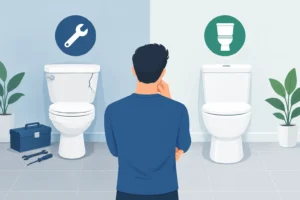
The first question is simple: are you changing the layout, or just replacing what is already there? If your toilet, sink, and tub or shower are staying in the same general spots, the job is usually more straightforward. Existing drain and water lines may still work, assuming they are in decent shape and properly sized.
Once you start moving fixtures, plumbing costs can rise quickly. A toilet is the biggest example because the drain line is larger, slope matters, and venting has to work correctly. Moving a vanity a few feet may be manageable. Moving a toilet or converting a tub to a custom shower can affect framing, floor access, and wall openings. That does not mean you should never change the layout. It just means the plumbing should be reviewed early so the remodel budget reflects real conditions.
Older homes need extra caution. Galvanized pipe, aging shutoff valves, worn drain assemblies, and patched-together repairs often show up once walls are open. In many cases, replacing a problem section now is cheaper than closing everything up and dealing with a leak later.
Keep the layout or move plumbing?
Keeping the same layout is often the best value. You can still get a fresh, updated bathroom with a new vanity, faucet, toilet, shower valve, and trim without rebuilding the whole plumbing system. This approach tends to shorten the project and reduce the chance of hidden surprises.
Moving plumbing makes sense when the current bathroom does not function well. Maybe the vanity is too small, the shower is cramped, or the toilet placement wastes space. A better layout can improve daily use and even boost resale appeal. But the trade-off is cost and complexity. More pipe changes mean more wall and floor work, more chances to uncover damage, and more coordination between plumbing and other trades.
If you are on the fence, ask a practical question: will the new layout solve a real daily frustration, or is it mostly a design preference? That answer often helps clarify where the budget should go.
The plumbing decisions that matter most
A remodel is not just about getting water in and out. It is about making sure every fixture performs properly after the room is finished.
Shower and tub plumbing
Showers and tubs deserve more attention than many homeowners expect. The visible trim is the easy part. Behind the wall, the valve body, supply lines, drain connection, and waterproofing all need to work together. If the existing shower valve is old, this is usually the time to replace it, even if it still technically works. Once tile is installed, access becomes much harder and more expensive.
If you are switching from a tub to a shower, the drain location may need to move. Tubs often drain at one end, while many showers are centered or placed differently. That change can affect the subfloor and drain routing below.
Toilet rough-in and drain line condition
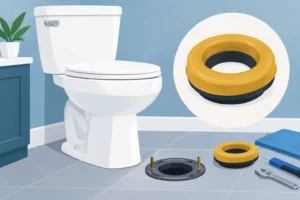
Toilets look simple, but the connection below matters a lot. The flange height, floor stability, and drain line condition all affect whether the toilet seals correctly. If there has been leaking around the base in the past, there may be subfloor damage that should be addressed before the new toilet goes in.
If your remodel includes new flooring, flange height should be checked after the finished floor level is known. A poor connection here can lead to hidden leaks and odor problems.
Vanity, sink, and faucet updates
Vanity replacements often reveal small plumbing issues that have been easy to ignore. Old shutoff valves may not fully close. Drain traps may be corroded or pieced together incorrectly. Supply lines may be overdue for replacement.
This is one of those areas where a clean-looking install matters for future service. A well-planned vanity plumbing setup gives you reliable shutoffs, fewer leak points, and easier access if repairs are ever needed.
Hidden problems that show up during bathroom remodel plumbing work
Bathrooms are small spaces, so even minor leaks can do a lot of damage over time. When walls or floors are opened, it is common to find moisture damage around tubs, showers, and toilets. Rot, mold, or weakened framing can slow down a remodel, but ignoring it is worse.
Drain problems also show up once fixtures are removed. A slow sink or tub may not be the fixture itself. It may be buildup in the drain line, poor venting, or a previous repair that never really solved the issue. Remodels are a good time to fix these root problems instead of covering them up with new finishes.
Water pressure can be another clue. If one bathroom has weak flow, inconsistent temperature, or noisy pipes, the issue may involve outdated supply lines or valves. Reusing worn parts in a newly remodeled bathroom often leads to frustration because the room looks new while the plumbing acts old.
How to budget without guessing
A realistic plumbing budget starts with the existing conditions, not just the fixture wish list. Homeowners often price out a vanity, toilet, and shower trim, then underestimate the work behind the wall. Labor, valves, drains, shutoffs, supply line updates, and repairs to damaged materials all add up.
It helps to separate wants from needs. A rainfall showerhead or floating vanity is a design choice. Replacing a failing valve, corroded drain, or leaking water line is a need. If the budget gets tight, cosmetic upgrades can sometimes wait. Plumbing corrections usually should not.
The smartest remodel budgets include a contingency for hidden issues. In older bathrooms, that cushion is not pessimistic. It is practical. Even a careful inspection cannot reveal everything before demolition.
Timing matters more than most homeowners expect
One reason bathroom remodels drag on is poor sequencing. Plumbing rough-in needs to happen before walls close. Fixture installation needs to happen after surfaces are ready. If materials arrive late or layout decisions change midway, the plumbing schedule can get pushed back and affect the entire job.
Clear decisions early on help avoid expensive changes later. Pick your fixtures before rough-in whenever possible. Different tubs, vanities, and shower systems can require different placements and connections. Waiting too long can create rework that nobody enjoys paying for.
For busy households with only one main bathroom, timing is even more important. Losing that space for longer than expected adds stress fast. Good planning helps keep the disruption manageable.
Bathroom remodel plumbing guide for long-term value
A good bathroom remodel plumbing guide is not just about passing inspection or getting through installation day. It is about making sure the bathroom stays dependable once real life starts again. That means choosing parts that can be serviced, keeping access where it matters, and not burying old problems behind new walls.
Long-term value usually comes from boring decisions done well. A solid shower valve. Proper drain slope. New shutoffs that actually work. A toilet set on a stable floor. These are not the glamorous parts of a remodel, but they are the parts that prevent callbacks, water damage, and repeat disruption.
For homeowners in older homes around Port Orchard, this matters even more. Bathrooms often reflect years of piecemeal repairs, and a remodel is the best chance to reset things the right way. If the work is approached carefully, you can end up with a bathroom that looks better, functions better, and gives you fewer plumbing headaches down the road.
If you are planning a remodel, think past the tile sample and faucet finish for a minute. Ask what is happening behind the wall, what condition the existing plumbing is in, and whether this is the right time to fix what has been limping along. A bathroom should feel comfortable when it is done, not leave you waiting for the next leak. As we like to say at Leakless Plumbing, don’t stress the mess, call LeakLess.