A pinhole leak rarely starts as a dramatic plumbing emergency. It often begins quietly, with a small amount of corrosion thinning a pipe from the inside or outside until water finally finds a way through. Knowing how to prevent pipe corrosion can help protect your home from hidden leaks, water damage, low water pressure, and the stress of an unexpected repair.
For homeowners in Port Orchard and across Kitsap County, prevention comes down to paying attention to water quality, moisture, pipe age, and the early warning signs that tell you something is changing. You cannot stop every pipe from aging, but you can slow corrosion down and replace vulnerable sections before they become a bigger problem.
What Causes Pipe Corrosion?
Corrosion is the gradual breakdown of metal caused by water, oxygen, minerals, or contact with other metals. Copper, galvanized steel, and iron pipes can all corrode, although they do so in different ways.
Older galvanized pipes are especially prone to rusting from the inside. As the interior coating breaks down, rust and mineral buildup narrow the pipe and restrict water flow. Copper pipes can develop pinhole leaks when water chemistry is too acidic or too alkaline, when water moves through the line too quickly, or when electrical current is affecting the plumbing system.
Corrosion can also happen on the outside of a pipe. A pipe in a damp crawl space, under a leaking sink, or against wet soil may deteriorate even if the water inside the pipe is fine. That is why a lasting solution starts with identifying the source of moisture or chemical exposure instead of simply patching the leak.
Watch for Early Signs of Corroding Pipes
Most homeowners do not see corrosion until it causes a leak. Still, there are clues worth taking seriously. Rust-colored water, especially after the water has been sitting overnight, may point to deteriorating steel or iron plumbing. Blue-green staining around copper fittings can signal a slow copper leak.
Other signs include a metallic taste or smell in the water, recurring pinhole leaks, flaky rust on exposed pipes, and water pressure that has gradually dropped in one area of the house. A sudden pressure problem can have other causes, but a slow decline in an older home often deserves a plumbing inspection.
Do not ignore a small damp spot under a sink or near a water heater. Even a slow drip keeps metal wet, encourages exterior corrosion, and can damage cabinets, flooring, framing, or insulation over time.
How to Prevent Pipe Corrosion With Better Water Conditions
Your water has a major effect on the life of your pipes. Water that is highly acidic can wear away at copper, while very hard water can leave mineral scale inside pipes and fixtures. The goal is not to guess at the problem. A water quality test can show whether pH, mineral content, or other factors may be contributing to corrosion.
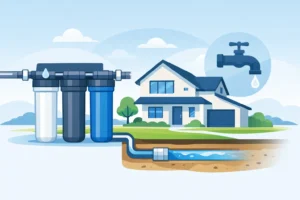
If testing shows an issue, the right treatment depends on the result. Some homes benefit from pH adjustment, while others may need filtration or conditioning to reduce mineral buildup. The wrong equipment will not solve the underlying problem, so it helps to have the results explained in plain language before making a decision.
It is also wise to pay attention to changes in your water. New staining, a different taste, or buildup that seems worse than usual can be a reason to test again. Water conditions may shift over time, particularly when a home uses an older plumbing system.
Flush Your Water Heater Regularly
Sediment collects at the bottom of a water heater, especially where water has a higher mineral content. That sediment can reduce efficiency, create popping or rumbling sounds, and contribute to wear on the tank and connected plumbing.
A periodic flush helps remove buildup before it has a chance to cause trouble. The ideal schedule depends on your water and the age of the unit, but annual maintenance is a sensible starting point for many households. If your water heater is older, leaking, or producing rusty hot water, have it inspected rather than forcing a flush that could expose an already weakened part.
Keep Pipes Dry on the Outside
The outside of a pipe needs protection too. Under-sink leaks, dripping supply lines, condensation, and damp crawl spaces all create conditions where exterior corrosion can take hold.
Check the cabinets below sinks every few months. Look for moisture, staining, warped wood, or white and green residue around valves and fittings. After using a rarely accessed bathroom, take a minute to look around the toilet, vanity, and shower plumbing. Small leaks are much easier to repair before they reach the floor or wall cavity.
Cold-water pipes can sweat during humid conditions. Pipe insulation reduces condensation and helps protect pipes in unheated areas from freezing temperatures. It is a simple upgrade, but it matters most in crawl spaces, garages, exterior walls, and other locations where temperature changes are more severe.
If a crawl space remains consistently damp, the answer may be larger than pipe insulation. Moisture control, drainage improvements, and repairing nearby leaks may all be part of keeping the plumbing and the structure dry.
Avoid Chemical Drain Cleaners
Chemical drain cleaners may seem like a fast fix for a slow drain, but repeated use can be rough on metal pipes, older joints, and certain fixture components. The chemicals create heat and can sit in a clogged section of pipe longer than intended. In an aging plumbing system, that can add to the damage.
For a minor clog, start with a plunger or a drain snake used carefully. For recurring clogs, standing water, or multiple slow drains, professional drain cleaning is usually the safer long-term choice. Clearing the buildup without damaging the pipe is better than temporarily opening the drain while creating a new weak point.
Make Sure Dissimilar Metals Are Connected Correctly
When different metals touch in the presence of water, they can create a reaction called galvanic corrosion. This is most common where copper pipe connects to steel or galvanized components. Without the proper fitting between them, one of the metals can corrode faster than it should.
This issue is easy to miss because the connection may look normal from the outside. It often appears after a partial repair, a water heater replacement, or work done over several decades by different installers. A qualified plumber can check exposed connections and use the correct dielectric fittings or transition materials where needed.
Electrical issues can also affect metal plumbing. Stray electrical current can accelerate corrosion, particularly in copper pipes. If a plumber suspects this type of problem, an electrician may need to check the home’s grounding and bonding. It is not a DIY diagnosis, and it should not be ignored.
Replace Aging Pipe Before It Fails
Repairs make sense when corrosion is limited to one fitting or a small accessible section of pipe. But repeated leaks in multiple locations are often a sign that the piping has reached the end of its reliable service life.
Galvanized plumbing, in particular, can look acceptable from the outside while being heavily restricted inside. Replacing a problem section may improve one area, but it will not reverse corrosion throughout the rest of the system. In that situation, a planned repipe or phased replacement can be less disruptive and less expensive than responding to one emergency after another.
There is a trade-off. Replacing all the piping at once is a larger upfront project, while targeted repairs can spread the cost over time. The right approach depends on the pipe material, the number of past leaks, accessibility, water pressure, and how long you plan to stay in the home. A clear inspection should give you enough information to choose without pressure.
Know When to Call for Help
Call a plumber promptly if you notice discolored water, frequent leaks, a drop in water pressure, wet areas around exposed pipes, or corrosion near a water heater or main shutoff. If a pipe is actively leaking, shut off the nearest fixture valve if possible. For a larger leak, turn off the home’s main water supply and get help right away.
Leakless Plumbing helps homeowners find the cause behind repeat leaks and make repairs that are built to last, not just get through the day. The earlier corrosion is identified, the more options you usually have.
A few minutes spent checking exposed plumbing, fixing drips, and addressing water concerns can spare your home from a much bigger mess later. When something does not look right, trust that instinct and have it checked before a quiet problem turns into water on the floor.