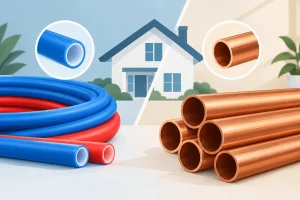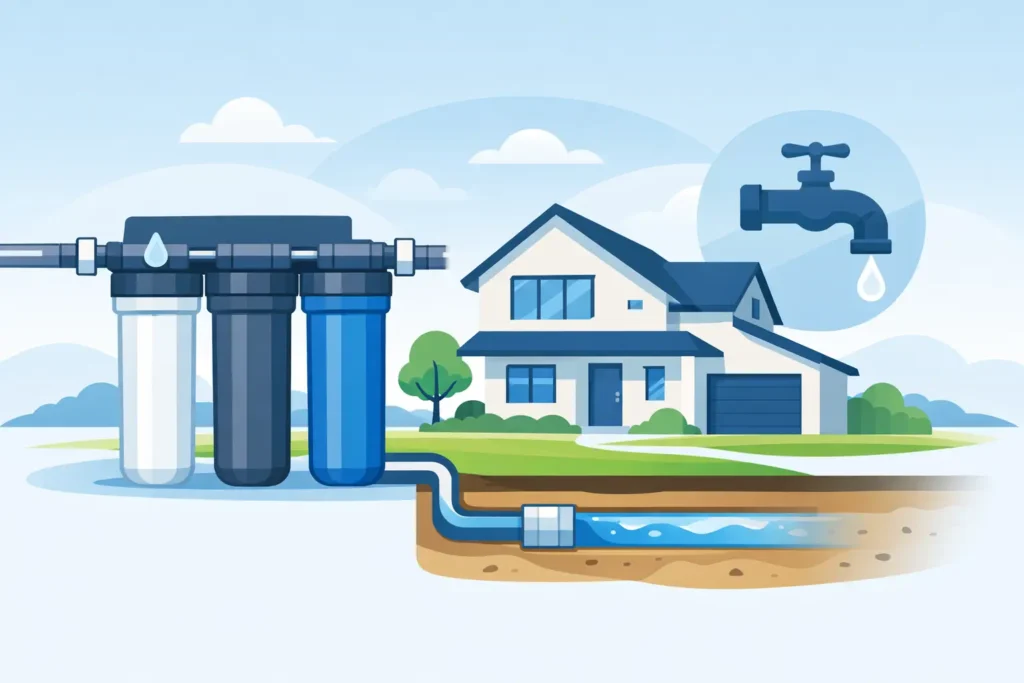
A whole-house filter is not a small purchase you tuck under the kitchen sink and forget about. It becomes part of your home’s plumbing system, affecting the water used for showers, laundry, dishes, ice makers, and every faucet. This whole house water filter review is built to help homeowners separate useful filtration from expensive equipment that does not match their actual water concerns.
The right system can reduce sediment, chlorine odor, staining particles, or other specific contaminants. The wrong one can create weak water pressure, add unnecessary maintenance, or leave the real issue untouched. Before choosing a brand or package, start with what is in your water and what you want to improve.
What a Whole-House Filter Actually Does
A whole-house water filter, also called a point-of-entry filter, is installed where the main water line enters the home. Water is treated before it reaches your fixtures and appliances. That is the main difference from a pitcher or under-sink filter, which only treats water at one tap.
For many homes, the biggest benefit is consistency. If chlorine smell bothers you in the shower, or sediment is collecting in faucet aerators throughout the house, treating the incoming supply makes more sense than adding separate filters room by room. Filtering water before it reaches a water heater, washing machine, and dishwasher may also reduce the buildup associated with sediment in certain situations.
Still, no single filter removes everything. A sediment filter catches grit and suspended particles. Carbon media is commonly used to improve chlorine taste and odor. Specialty media may address concerns such as iron, sulfur odor, or other water-quality issues, but it must be selected for the condition it is meant to treat. A filter that works well for city-water chlorine is not automatically the answer for private-well minerals or bacteria concerns.
Whole House Water Filter Review: The Features That Matter
Marketing often focuses on how many gallons a system can handle. Capacity matters, but it is only one part of a good decision. Homeowners should pay equal attention to flow rate, filter media, replacement needs, and installation requirements.
Flow rate protects everyday comfort
A filter needs to keep up when someone is showering, the dishwasher is running, and a toilet is flushing. If the unit is undersized, you may notice a pressure drop at busy times. This can be especially frustrating in a larger home with multiple bathrooms.
Look for a system sized for your household’s peak demand, not just the number of people living there. A small home with one bathroom has different needs than a home where several family members get ready at the same time. The plumbing line size and existing water pressure also affect performance, so the filter should be chosen as part of the full system rather than in isolation.
Filter stages should match the problem
Multi-stage systems can be useful, but more stages are not automatically better. A basic sediment prefilter paired with carbon filtration is a common setup for homes dealing with visible particles and chlorine taste or odor. The prefilter protects the larger media tank or cartridge from clogging too soon.
If water leaves orange or brown staining, has a rotten-egg odor, feels unusually hard, or causes recurring scale on fixtures, stop and identify the cause before buying equipment. Those symptoms may call for treatment beyond a standard filter. A water test is usually less expensive than replacing a system that was never designed for the issue.
Maintenance is part of the purchase price
Every whole-house system needs attention. Cartridge filters need regular replacement, while tank-style media systems may have longer service intervals but eventually need media replacement or service. Ignoring maintenance can reduce flow, worsen filtration, and put extra strain on your plumbing.
Ask how often each filter stage should be changed, what replacement parts cost, and whether the system includes pressure gauges or a bypass valve. Gauges help show when a filter is becoming restricted. A bypass lets the home keep running if a filter housing needs service. These practical details matter most when something needs attention on a busy weekday.
Common Filter Types and Their Trade-Offs
Sediment filters are usually the simplest and least expensive option. They are useful when water carries sand, silt, rust particles, or other visible debris. Their limitation is equally simple: they do not remove dissolved minerals, chlorine, or many chemical contaminants.
Carbon filters are a popular choice for municipal water because they can reduce chlorine taste and odor. They can make showering and drinking water more pleasant, but their performance depends on contact time, water flow, and the type of carbon used. A rushed, undersized carbon filter may not provide the results homeowners expect.
Water softeners are sometimes grouped into water-filtration discussions, but softening and filtering are different jobs. A softener is designed to address hardness minerals that cause scale and soap that will not lather well. It may be appropriate for certain homes, but it is not a substitute for filtration when the primary concern is sediment, chlorine, or another contaminant.
Reverse osmosis is highly effective for certain drinking-water concerns, yet it is usually better suited to a dedicated kitchen tap than an entire home. Whole-home versions can be costly and require careful design, drainage capacity, and maintenance. For most households, a whole-house filter paired with a point-of-use drinking-water system is a more practical combination when both bathing water and drinking water are concerns.
What Installation Should Include
Whole-house filtration is plumbing work, not just a product delivery. The system should be installed in an accessible location where filters can be changed without making a mess or cutting off water to the home longer than necessary. It also needs protection from freezing temperatures and enough clearance for service.
A quality installation commonly includes shutoff valves before and after the system, a bypass line, properly supported piping, and a check for leaks and pressure changes after startup. Depending on the equipment and water condition, the installer may also recommend a sediment stage ahead of the main filter or a pressure-regulating solution if the home’s pressure is outside the equipment’s preferred range.
For homeowners in Port Orchard and throughout Kitsap County, water conditions can vary from one neighborhood to the next, especially between public-water and private-well properties. That is why a plumber should ask about your water source, visible symptoms, fixture staining, and past water test results before recommending a system.
When a Filter Will Not Fix the Problem
A whole-house filter is not a repair for every water-related issue. Low pressure can come from a clogged filter, but it can also point to aging supply lines, a failing pressure regulator, mineral buildup, or a partially closed valve. Brown water may be sediment, but it can also be related to pipe corrosion or work being done on the water supply.
Likewise, a musty smell, recurring leaks, or discolored water that appears only from the hot side may require plumbing diagnosis rather than filtration. Installing equipment before identifying the cause can delay the real fix. If the concern is sudden, severe, or paired with a plumbing leak, shut off water if needed and get professional help promptly.
How to Make a Smart Buying Decision
Start with a water test or current water-quality report, then list the results you want: clearer water, less chlorine odor, reduced sediment, fewer stains, or better protection for fixtures and appliances. From there, compare systems based on verified treatment goals, household flow demand, filter replacement costs, and service access.
Do not let a long warranty make the decision for you. Read what it covers, who performs the service, and whether regular maintenance is required to keep it valid. A less flashy system that is correctly sized, easy to maintain, and supported by professional installation is often the better long-term choice.
Clean, dependable water should make daily life easier, not add another household headache. When you are unsure whether you need filtration, softening, or a plumbing repair, Leakless Plumbing can help identify the cause first so the solution fits your home. Don’t stress the mess, call LeakLess.