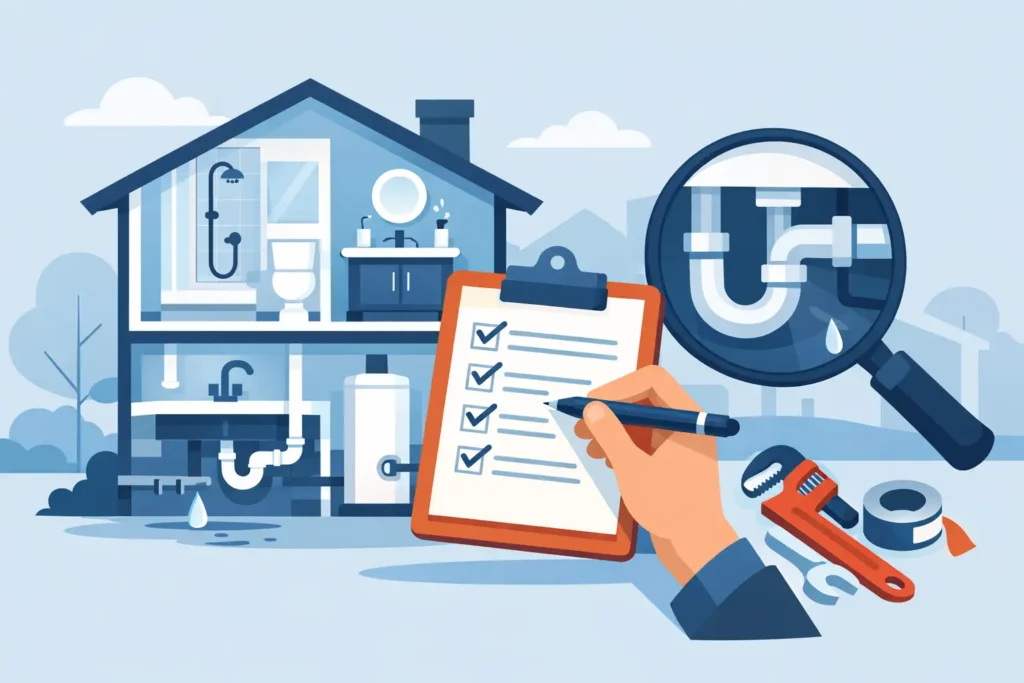
A small drip under the sink can stay quiet for months, then suddenly turn into cabinet damage, warped flooring, and a repair bill nobody wanted. That is why a smart home plumbing inspection checklist matters. It gives you a simple way to catch problems early, before they turn into weekend emergencies.
Most homeowners do not need to know every pipe fitting in the house. You just need to know what to look for, what feels normal, and what deserves a closer look. A good inspection is less about technical jargon and more about spotting warning signs – moisture where it should not be, drains that are getting slower, fixtures that sound different, or water that takes too long to heat.
Why a home plumbing inspection checklist saves money
Plumbing problems rarely stay the same size for long. A loose connection under a bathroom sink might seem minor today, but over time it can damage drywall, flooring, and trim. A drain that gurgles once in a while may be the early sign of a blockage building deeper in the line. If you catch those issues early, the fix is usually simpler, faster, and less disruptive.
There is also the stress factor. When plumbing fails without warning, it interrupts the whole house. Showers get delayed, dishes stack up, laundry waits, and everyone in the home feels it. An inspection routine helps you stay ahead of that. It is not about chasing perfection. It is about preventing the avoidable stuff.
Home plumbing inspection checklist: what to check first
Start where plumbing problems are easiest to spot – kitchens, bathrooms, laundry areas, and anywhere water supply lines or drains are visible. You do not need special equipment for a basic inspection. A flashlight, a dry paper towel, and a few quiet minutes are enough.
Under sinks and around shutoff valves
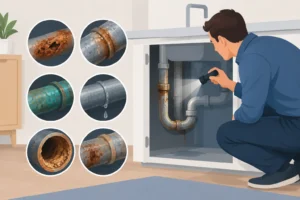
Open the cabinet doors under every sink and look carefully at the drain lines, supply lines, and shutoff valves. You are checking for active drips, mineral buildup, rust, staining, swollen cabinet materials, and any musty smell. Run a dry paper towel along fittings and valves. Even a light smear of moisture tells you more than a quick glance will.
Pay attention to old flexible supply lines. If they look kinked, corroded, or worn, they should not be ignored. These parts often fail without much warning, and when they do, the leak can be significant.
Faucets, sinks, tubs, and showers
Turn each faucet on and off. Watch for drips after shutdown, weak pressure, sputtering, or handles that feel loose. In tubs and showers, check the caulking and the wall around the fixture. Plumbing issues are not always caused by pipes alone. Water that escapes around failing seals can lead to hidden damage behind the surface.
While the water runs, watch how quickly it drains. A slow drain in one fixture may be a local clog. Slow drainage in more than one area can point to a larger issue that deserves attention.
Toilets
Toilets give off warning signs early, but they are easy to overlook because the fixture still seems usable. Listen for running water after a flush. Check around the base for softness in the floor, loose mounting, or signs of seepage. If the toilet rocks even slightly, that is worth addressing.
Remove the tank lid and look inside. If parts look heavily corroded, worn, or out of position, a repair may be close. A toilet that runs off and on by itself can waste a surprising amount of water over time.
Water heater and utility areas
The water heater is one of the most important stops on any home plumbing inspection checklist because problems there can affect the whole house.
Water heater condition
Look around the base for moisture, rust, or staining. Check the area around connections and valves. If you hear rumbling, popping, or other unusual noises, sediment buildup may be reducing efficiency and putting extra strain on the unit. Also notice whether your hot water supply feels shorter than it used to. That change often shows up before complete failure.
If the unit is older, inspection matters even more. Age does not always mean immediate replacement, but it does mean you should take small warning signs seriously.
Laundry room connections
Washing machine hoses and shutoff valves deserve regular attention. Look for bulging hoses, corrosion at connections, or dampness behind the machine. Since these leaks often happen out of sight, they can cause a lot of damage before anyone notices.
The drain setup matters too. If the standpipe overflows, drains slowly, or smells bad, do not shrug it off. That can be a sign of a restriction that may get worse fast.
Check water pressure, drainage, and hidden warning signs
A plumbing inspection is not only about what you can see. It is also about how the system behaves.
Water pressure
If pressure feels too low in one fixture, the issue may be isolated to that faucet or showerhead. If it is low throughout the house, the cause could be broader. On the other hand, pressure that feels too high may seem convenient in the moment, but it can put extra stress on pipes, valves, and appliances.
Changes in pressure are worth noting, especially if they happen suddenly. The same goes for banging pipes, whistling sounds, or vibration when fixtures shut off.
Drain performance
Run water in sinks, tubs, and showers long enough to see how the drain performs under normal use. A drain that keeps up at first but starts pooling after a minute can still be partially blocked. Gurgling noises, bubbling in nearby fixtures, or sewer-like odors suggest the problem may be deeper than a simple hair clog.
That is where homeowners sometimes lose time. Store-bought drain products can seem like a quick fix, but they do not solve every blockage and can damage pipes in some situations. It depends on the age and condition of the plumbing.
Walls, ceilings, and floors
Look beyond the fixtures themselves. Water stains on ceilings, peeling paint, bubbling drywall, warped flooring, and unexplained musty smells can all point to hidden plumbing leaks. If a room keeps showing signs of moisture but no source is obvious, it is worth taking seriously.
This is especially true after heavy seasonal weather shifts, freezing temperatures, or if your home has older plumbing. Some leaks stay hidden until the damage becomes too obvious to miss.
What homeowners can handle, and when to call a plumber
A basic inspection is homeowner-friendly. Tightening a loose connection, replacing a worn flapper, or cleaning a simple stopper clog may be reasonable small tasks. But there is a line between a safe observation and a repair that needs professional hands.
If you find active leaking, corrosion on multiple components, repeated drain backups, signs of hidden water damage, or changes affecting several fixtures at once, it is time to bring in a plumber. The same goes for anything around your water heater that suggests leaking, age-related wear, or unreliable performance.
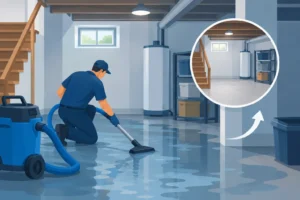
For homeowners in Port Orchard and nearby communities, fast action matters. Plumbing issues tend to get more expensive the longer they are allowed to sit. A dependable inspection and repair call can stop a manageable problem from becoming a full water damage cleanup.
How often to use this checklist
For most homes, a quick visual inspection every few months is a good habit. A more thorough walk-through once or twice a year makes sense, especially before listing a home for sale, after a purchase, or if your house has older plumbing. You should also check things sooner if your water bill climbs unexpectedly, a room smells damp, or something in the system starts acting differently.
Consistency matters more than perfection. You do not need a clipboard and a two-hour routine every month. You just need to notice changes early and act before the problem spreads.
A calm, practical inspection today can save you from a much more stressful repair tomorrow. If something looks off, trust that instinct and get it checked before a drip turns into a mess. Don’t stress the mess, call LeakLess.