You turn on the shower and get a weak trickle instead of a steady stream. Or maybe the kitchen sink takes forever to fill, and doing laundry while someone showers feels impossible. If you’re asking why is water pressure low, the answer can be simple, or it can point to a bigger plumbing issue that should not be ignored.
Low water pressure is one of those problems that seems small at first. But in a home, it often signals buildup, a hidden leak, a failing fixture, or a pressure issue somewhere in the system. The good news is that a few causes are easy to spot. The less good news is that pressure problems can get worse over time if the real source is left alone.
Why Is Water Pressure Low? Start With Where It Happens
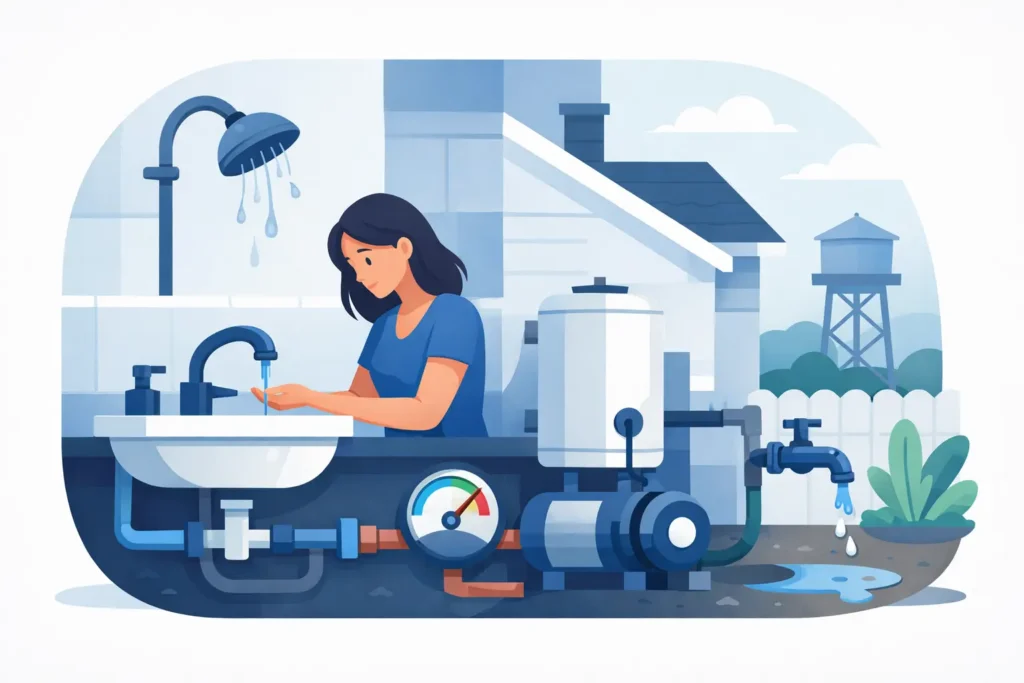
The first question is not just why is water pressure low, but where is it low. That detail matters more than most homeowners realize.
If only one faucet or shower has weak flow, the problem is often local to that fixture. A clogged aerator, mineral buildup in the showerhead, or a worn internal part may be restricting water. That is usually more manageable than a whole-house issue.
If pressure is low throughout the house, the cause is more likely tied to the main water supply, a pressure regulator, aging pipes, a hidden leak, or a partially closed valve. If hot water pressure is the only side affected, the water heater or the hot water lines may be the place to look.
This is why a plumber starts with pattern, not guesswork. One weak bathroom sink tells a different story than every fixture in the house struggling at the same time.
Common Reasons Water Pressure Drops
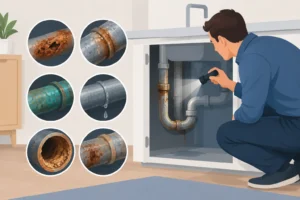
One of the most common causes is mineral buildup. Over time, faucets and showerheads collect scale that narrows the openings where water comes through. In some homes, especially older ones, minerals can also build up inside pipes and slowly reduce flow.
Another common cause is a valve that is not fully open. Your home’s main shutoff valve or water meter valve may have been turned down during a repair and never returned to the right position. Even being partially closed can make a noticeable difference.
Pressure regulators are another possibility. Not every home has one, but many do. This device controls the pressure entering your plumbing system. When it starts to fail, you may notice pressure that is suddenly too low, too high, or inconsistent from day to day.
Leaks are also high on the list. A hidden pipe leak can steal water before it ever reaches your shower or sink. Sometimes homeowners notice low pressure before they notice stained drywall, damp flooring, or a higher water bill.
Then there are aging pipes. In older homes, galvanized steel pipes can corrode from the inside out. The pipe may still look intact from the outside while the interior diameter has narrowed enough to restrict water flow. At that point, cleaning rarely solves the problem for long.
Municipal supply issues can play a role too. If the city is doing water line work, flushing hydrants, or dealing with high demand in the area, your pressure may temporarily drop. If neighbors are seeing the same issue, your home’s plumbing may not be the main cause.
When Low Pressure Is Only at One Fixture
If one sink or shower is affected and everything else works normally, start small. Unscrew the faucet aerator or inspect the showerhead for visible debris and scale. Sediment from pipe work or water heater issues can also get caught in these parts.
You may also have a problem inside the fixture itself. Cartridges, valves, and supply lines wear out, especially in bathrooms and kitchens that get heavy daily use. A fixture repair can restore proper flow without any larger plumbing work.
This is the best-case scenario because the fix is usually contained to one area. Still, if the fixture has old parts or repeated clogging, it is worth checking whether debris is coming from somewhere farther upstream.
When the Whole House Has Low Water Pressure
Whole-house pressure loss usually means the problem is more serious, or at least more involved. The main shutoff valve is an easy place to start. If it is not fully open, pressure can drop across every faucet, shower, and appliance.
If the valve is open and the issue continues, a failing pressure regulator may be the culprit. Homeowners sometimes describe this as a house that used to have normal pressure and then suddenly did not. Regulators can fail without much warning.
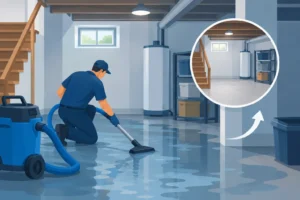
A hidden leak on the main line or somewhere in the home’s plumbing can create the same feeling. Water takes the path it can get, and if some of it is escaping behind a wall, under the floor, or outside, fixtures may get less of it. This is where fast diagnosis matters. Waiting can turn a pressure problem into water damage.
In some homes, the issue is simply that the piping system is old and undersized for current use. A house that once handled one bathroom may now be trying to serve a renovated kitchen, more fixtures, and a larger family. The plumbing may technically work, but not well.
Hot Water Pressure vs. Cold Water Pressure
If cold water seems normal but hot water is weak, the problem is usually not the entire supply. It is often connected to the water heater or the hot side of the plumbing.
Sediment in the water heater can affect performance, especially in older units or units that have not been maintained. Valves near the heater may also be partially closed. In some cases, corrosion or buildup in the hot water lines restricts flow more than the cold side.
That difference is useful because it narrows the search. Instead of chasing a whole-house pressure issue, you can focus on the hot water system and connected lines.
What You Can Check Safely Before Calling a Plumber
There are a few simple things homeowners can look at without taking risks. Check whether the problem affects one fixture or the whole house. See whether both hot and cold water are weak. Confirm that the main shutoff valve appears fully open. Ask a nearby neighbor if they are noticing the same issue.
You can also inspect visible fixtures for clogged aerators or showerheads. If pressure dropped right after recent plumbing work, sediment may have shifted and lodged in fixture screens.
What you should not do is start opening plumbing connections at random or trying to adjust a regulator without knowing what condition it is in. Water pressure problems can be tied to worn parts, hidden leaks, or old piping, and trial-and-error repairs often create a second problem.
Signs Low Pressure Means You Should Call Soon
Some low pressure issues can wait a day or two. Others deserve quicker attention.
If the pressure changed suddenly, if you hear water running when nothing is on, if you see wet spots, or if your water bill jumps, do not treat it as a minor inconvenience. Those signs can point to a leak. The same goes for pressure that keeps getting worse over time or affects major fixtures across the house.
Homes with older plumbing deserve extra caution. Slow pressure loss in an older system often means the problem has been building for a while. A short-term workaround may get water flowing a little better, but it will not solve corrosion, pipe restriction, or a failing valve.
For homeowners in Port Orchard and nearby communities, this is where responsive service really matters. Low water pressure may not feel like an emergency at first, but if the cause is a leak or failing component, waiting can raise the repair cost.
The Right Fix Depends on the Cause
This is the part that frustrates homeowners most. There is no one fix for low water pressure because the symptom looks the same even when the causes are completely different.
A clogged aerator may need a quick cleaning. A fixture may need a new cartridge. A pressure regulator may need replacement. A hidden leak needs proper detection and repair. Old corroded pipes may call for a more lasting upgrade instead of another temporary patch.
That is why the best repair is not the fastest guess. It is the one that matches the real problem and prevents you from dealing with the same issue again next month.
If your water pressure has dropped and you are tired of guessing, get it checked before the problem spreads. A clear diagnosis now can save you from bigger repairs later – and help your home feel normal again without the stress. Don’t stress the mess, call LeakLess.