A wet cabinet floor, a mystery stain on the ceiling, or a water bill that jumps for no clear reason – that is usually how this home leak detection guide starts in real life. Most leaks do not announce themselves with a burst pipe. They show up quietly, then get expensive if they are ignored.
For homeowners, the goal is not to become a plumber overnight. It is to catch the warning signs early, know what you can check safely, and recognize when a fast repair matters more than another day of waiting. A small leak can damage drywall, flooring, cabinets, insulation, and even the framing around it if it sits long enough.
Why leak detection matters more than most people think
Water has a way of traveling. The drip you see under a sink may not be where the problem started. Moisture can move along pipes, framing, and subfloors before it shows itself. That is one reason hidden leaks often get missed until the repair is bigger than anyone expected.
There is also the issue of timing. A slow leak behind a wall may seem less urgent than a pipe spraying water across a room, but slow leaks often cause the kind of long-term damage that costs more to fix. By the time paint bubbles or flooring warps, the water may have been there for weeks.
If your home is older, if you have had past plumbing repairs, or if your fixtures and supply lines are showing their age, being proactive makes a real difference. The earlier you identify the source, the better your chances of avoiding major restoration work.
Home leak detection guide: the first places to check
Start with the rooms that use the most water. Kitchens, bathrooms, laundry rooms, utility areas, and anywhere with exposed plumbing are the most common trouble spots. You are not looking for one dramatic clue. You are looking for a pattern.
Under sinks, check the cabinet floor and the pipe connections by hand. If it feels damp, if there is a musty smell, or if you see swelling in the cabinet material, something is leaking now or has leaked recently. Around toilets, watch for soft flooring, movement at the base, or water collecting near the bowl. Around tubs and showers, look for loose caulk, stained walls, and water marks on ceilings below.
Your water heater is another key place. Moisture near the base, rust, or a slow drip from fittings should never be ignored. The same goes for washing machine hoses and utility sink connections. These areas are easy to forget because they are often tucked out of sight.
Outside the house, walk the perimeter. Soggy patches in the yard, water pooling near the foundation, or a constantly wet area with no rain can point to a buried water line issue. In colder months, a hidden leak may be harder to spot outdoors, so changes in pressure or unexplained water use become more important clues.
Signs of a hidden leak that homeowners often miss
Some leaks are easy to spot. Others show up indirectly. If you hear water running when no faucet or appliance is on, pay attention. If your water bill rises but your habits have not changed, that is another red flag. A drop in water pressure can also signal a leak, though it can depend on the age of the plumbing and where the issue is located.
Stains on ceilings or walls usually get attention fast, but peeling paint, warped trim, and persistent mildew are just as telling. A room that smells damp even after cleaning may have hidden moisture in the wall or floor. If one section of flooring feels warmer, softer, or oddly uneven, it may be reacting to water below.
One thing homeowners sometimes overlook is timing. If a spot appears after showers, laundry, or dishwasher use, that pattern matters. It can help narrow the problem to a drain line, supply line, or fixture connection instead of a random roof or surface issue.
How to use your water meter to check for a leak
If you want one simple test with real value, check your water meter. Turn off all faucets, appliances, ice makers, and irrigation if you have it. Make sure no one in the house is using water. Then look at the meter.
Some meters have a small leak indicator that moves even with low flow. Others require you to note the reading, wait 30 minutes to an hour without using any water, and check it again. If the reading changes, there is a good chance water is moving somewhere it should not.
This test does not tell you exactly where the leak is. It does tell you whether the problem is active. That is useful because it helps separate old staining from a current leak that needs prompt attention.
What you can check yourself and what you should not
A practical home leak detection guide should be honest about the limits of DIY. There are safe homeowner checks, and then there are repairs that are better handled by a licensed plumber before damage spreads.
It makes sense to inspect visible pipes, dry an area and monitor whether moisture returns, check toilet bases, and look at appliance connections. It also makes sense to shut off the local valve to a leaking sink or toilet if you can do it safely and the valve works properly.
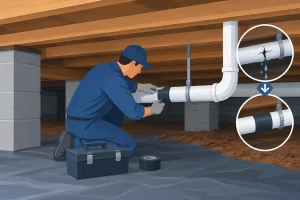
It does not make sense to open walls blindly, ignore a leak near electrical wiring, or assume sealant will fix everything. Caulk can help around tubs and sinks in the right situation, but it does not solve a failed pipe connection inside the wall. A bucket under a drip may buy you a few hours. It is not a repair plan.
If the leak is hidden, recurring, affecting ceilings or floors, or causing water pressure issues throughout the home, professional inspection is usually the fastest path to a real answer.
When a leak becomes an emergency
Not every leak is a middle-of-the-night emergency, but some absolutely are. If water is actively pouring through a ceiling, if a pipe has burst, if the leak is near electrical components, or if you cannot stop the flow with a fixture shutoff valve, treat it as urgent.
The same goes for leaks affecting your water heater, main supply line, or any area where water is spreading quickly across finished surfaces. The longer that water sits, the more likely it is to damage flooring, drywall, trim, and personal belongings.
When that happens, the first step is simple. Shut off the water if you can. For a local fixture leak, use the nearby shutoff valve. For a major leak, shut off the main water supply to the home. Then move what you can away from the water and call for help. Fast response matters because emergency plumbing is not just about stopping water. It is about limiting the repair that comes after.
Why the right repair matters after leak detection
Finding a leak is only half the job. The repair needs to address the actual cause, not just the visible symptom. That may mean replacing a worn supply line instead of tightening it again, repairing a section of damaged pipe instead of patching it temporarily, or correcting a fixture installation issue that keeps creating the same leak.
This is where homeowners can get tripped up. A quick fix that works for two weeks can feel like progress, but repeat leaks usually cost more in the long run. If the same cabinet keeps getting wet or the same ceiling stain keeps returning, the source was never fully resolved.
A dependable plumbing repair should leave you with clear answers. What failed, why it failed, what was repaired, and whether anything nearby should be watched or replaced soon. That kind of communication reduces stress because you know what was done and what to expect next.
For homeowners in Port Orchard and nearby communities, that local, straightforward approach matters. You want a plumber who shows up, explains the issue in plain language, and fixes it in a way that holds up.
A few habits that help prevent future leaks
You do not need an elaborate maintenance routine. A quick look under sinks every month, paying attention to water bill changes, and replacing aging appliance hoses before they fail can go a long way. If your home has older plumbing, it is smart to be more watchful after freezing weather, remodeling work, or any sudden change in pressure.
It also helps to know where your main water shutoff is before there is a problem. In a real leak, those few minutes matter. The homeowners who handle leaks best are usually not the most technical. They are the ones who notice small changes early and act before the mess gets bigger.
If something feels off, trust that instinct. Water damage rarely gets better by waiting, and peace of mind is worth a prompt inspection. Don’t stress the mess, call LeakLess.