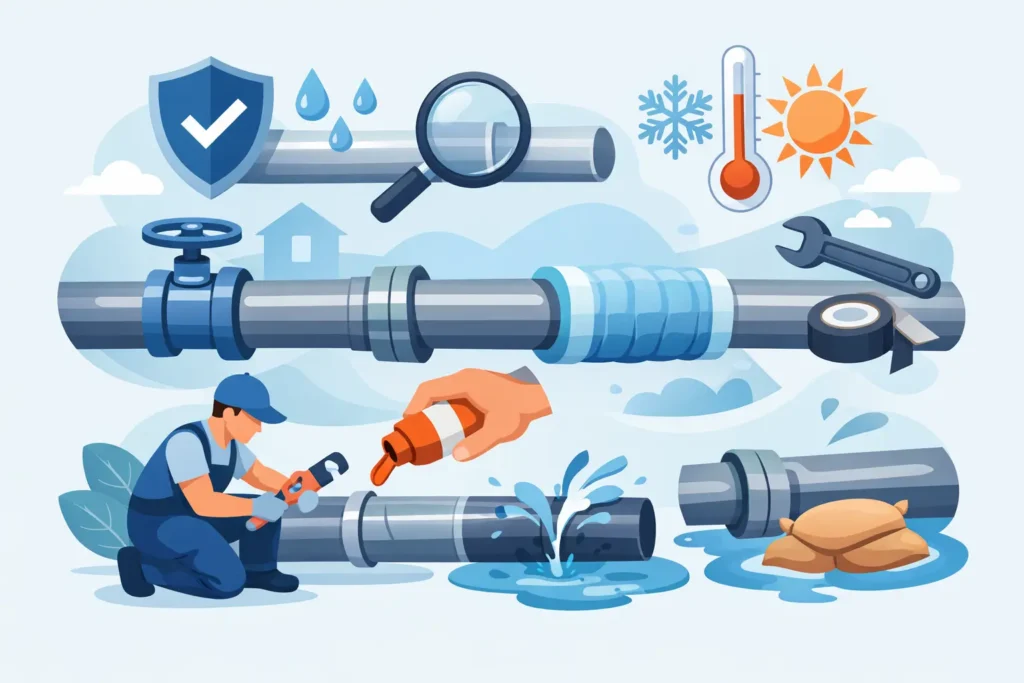
A pipe problem rarely starts with a dramatic burst. More often, it begins with a cold crawlspace, a slow drip under the sink, a drain that keeps backing up, or a water heater working harder than it should. The best ways to protect pipes are simple, practical habits that stop those small warning signs from becoming soaked floors, damaged walls, and an emergency call at the worst possible time.
For homeowners in Port Orchard and across Kitsap County, pipe protection deserves extra attention during cold snaps and wet weather. Many homes have exposed plumbing in garages, crawlspaces, utility rooms, or exterior walls. A little prevention in these areas can make a major difference.
1. Keep Vulnerable Pipes Warm
Frozen pipes are one of the most common causes of sudden water damage in winter. When water freezes, it expands. That expansion can split a pipe or weaken a fitting, even if the pipe does not leak until temperatures rise again.
Start by identifying pipes that run through unheated spaces. Garages, crawlspaces, attics, exterior walls, and cabinets against outside walls are common trouble spots. Foam pipe insulation is an affordable first layer of protection for accessible lines, especially water supply pipes. Make sure the insulation fits snugly and is secured at joints rather than leaving gaps where cold air can reach the pipe.
Insulation helps, but it does not create heat. During a hard freeze, keep the home heated consistently, including when you are away. Opening cabinet doors beneath kitchen and bathroom sinks can allow warm indoor air to reach pipes along exterior walls. If a pipe has frozen before, letting the connected faucet run at a very small trickle during extreme cold may help keep water moving. That is not necessary for every pipe or every winter day, but it can be worthwhile in a known problem area.
2. Disconnect and Drain Outdoor Hoses
A connected garden hose can hold water against an outdoor faucet. When that water freezes, the pressure can travel back into the plumbing inside the wall. The result may be a cracked outdoor faucet or a leak that stays hidden until spring.
Before freezing weather arrives, disconnect hoses, drain them, and store them where they will not crack or kink. If your home has a shutoff valve for exterior faucets, close it and open the outside faucet to drain the remaining water. Covering an outdoor faucet can provide another layer of protection, particularly on a wall exposed to wind.
This small seasonal task is easy to overlook, but it is one of the best ways to protect pipes that are exposed to Northwest winter weather.
3. Fix Small Leaks Before They Grow
A slow leak does more than waste water. It can soften cabinet floors, damage drywall, encourage mold growth, and corrode nearby plumbing connections. Since many leaks begin out of sight, homeowners often discover them only after the damage becomes noticeable.
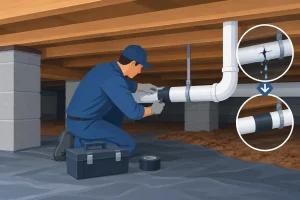
Check beneath sinks, around toilets, behind washing machines, and near water heaters every few months. Look for moisture, rust, staining, warped flooring, a musty smell, or a water bill that suddenly climbs without a clear reason. Pay attention to toilets that occasionally run on their own and faucets that continue dripping after being turned off. Those are not always major repairs, but they are worth addressing promptly.
A temporary patch may slow a leak, but it is rarely the long-term answer. If a pipe, valve, or connection is failing, a proper repair protects the surrounding area and reduces the chance of the issue returning.
4. Know Where Your Main Water Shutoff Is
When a pipe bursts, every minute matters. Knowing how to shut off the water can limit damage while help is on the way.
Your main shutoff valve may be near the water meter, in a garage, utility room, basement, crawlspace, or on an exterior wall. Find it before an emergency, make sure it is accessible, and show other adults in the household where it is. If the valve is difficult to turn, corroded, or does not fully stop the water, have it inspected rather than waiting for a crisis.
It also helps to know individual fixture shutoffs. The valves under a sink, behind a toilet, or near a washing machine can stop water to one fixture without shutting down the entire house. A working shutoff gives you control when a supply line fails or a fixture starts leaking.
5. Protect Drains From Clogs and Pressure
Pipes do not only fail because of freezing temperatures. Repeated clogs can put stress on drain lines, cause backups, and send dirty water where it does not belong. The most effective approach is to keep problem materials out of the drain in the first place.
Kitchen sinks should not be used for grease, cooking oil, coffee grounds, fibrous food scraps, or large amounts of food waste. Grease may look harmless when it is warm, but it cools and sticks to pipe walls, collecting other debris over time. In bathrooms, use drain screens to catch hair and keep wipes, cotton products, and other non-flushable items out of toilets.
Be cautious with harsh chemical drain cleaners. They can sometimes clear a minor blockage, but repeated use may damage older pipes or leave a serious clog only partly cleared. If a drain is slow again and again, gurgles, smells bad, or backs up in more than one fixture, the line needs a closer look. Recurring clogs are a warning sign, not something to keep treating with another bottle of cleaner.
6. Check Appliance Hoses and Connections
Washing machines, dishwashers, refrigerators with ice makers, and water heaters all rely on water connections that can wear out over time. A failed washing machine hose, for example, can release a surprising amount of water quickly.
Inspect visible supply hoses for bulges, rusted fittings, cracking, stiffness, or dampness around the connection points. Do not stack storage bins where they press against hoses or make them difficult to inspect. If a hose is aging or shows signs of wear, replacement is usually far less disruptive than dealing with a sudden leak.
Water heaters also deserve regular attention. Look around the base for moisture or corrosion and listen for unusual popping or rumbling sounds. Sediment and age can affect performance, and a neglected water heater can eventually leak. A professional inspection can help you decide whether maintenance, repair, or replacement makes the most sense for the unit and your household’s needs.
7. Watch Crawlspaces and Areas With Moisture
In our wet climate, moisture around plumbing is not always caused by a broken pipe. Groundwater, poor drainage, condensation, and inadequate ventilation can all create damp conditions under a home. Over time, that moisture may speed up corrosion, damage pipe supports, or hide a small leak.
Take a look in accessible crawlspaces and utility areas after heavy rain. Watch for standing water, wet insulation, dripping pipes, or signs that the ground stays saturated. Make sure pipes are properly supported and are not rubbing against sharp edges or hanging loosely from old straps.
If you notice persistent moisture, do not assume it will dry out on its own. The source needs to be identified. Sometimes the solution involves a plumbing repair; other times, the problem is drainage or condensation. Getting the cause right prevents money from being spent on a fix that does not last.
8. Schedule Help When Warning Signs Appear
Some plumbing issues are not visible enough for a homeowner to diagnose safely. Low water pressure in one area, discolored water, banging pipes, damp spots on a wall, or a water meter that keeps moving when fixtures are off can point to a hidden concern.
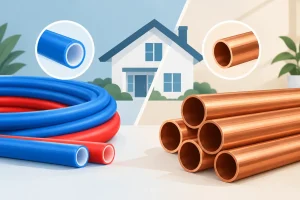
A professional inspection is especially helpful before a remodel, after purchasing an older home, or when plumbing repairs seem to be happening more often. Older pipe materials, aging fittings, and previous quick fixes can create weak points that deserve attention before they fail. The goal is not to replace plumbing that still has useful life. It is to understand what is happening and make sensible repairs before a small issue becomes a major disruption.
If water is actively leaking, shut off the nearest valve or the main supply if needed, move valuables away from the area, and call for help right away. Leakless Plumbing provides dependable residential service for homeowners who need a clear explanation and a repair built to hold up.
A few minutes spent checking your pipes before the next cold night, heavy rain, or busy holiday weekend can protect far more than the plumbing itself. It can protect your home, your schedule, and your peace of mind.