A water line problem rarely starts with a dramatic burst pipe. More often, it shows up as weak pressure at the kitchen sink, a damp patch in the yard, rusty-looking water, or a water bill that suddenly makes no sense. Silverdale water line installation gives homeowners a reliable path forward when an aging, damaged, or undersized line is no longer doing its job.
The right repair is not always a full replacement. A small, accessible leak may be repairable. But when the pipe has repeated failures, corrosion, poor water flow, or damage along a larger section, installing a new line can protect your home from more disruption and expense down the road. The goal is simple: dependable water where you need it, without a hidden leak creating trouble behind the scenes.
When a Water Line Needs More Than a Quick Repair
Your water lines carry clean water from the source into fixtures and appliances throughout the home. A problem can affect one branch line, the main line serving the house, or the connection to a particular fixture. Knowing the difference helps determine whether a focused repair or new installation makes sense.
Repeated leaks are one of the clearest signs that a pipe is nearing the end of its useful life. Fixing one weak spot can be reasonable, but if leaks keep appearing in different places, the pipe material or overall condition may be the real issue. A repair that holds today should not leave you worried about the next failure next month.
Low water pressure can also point to trouble inside older piping. Mineral buildup, corrosion, a crushed section of pipe, or an incorrectly sized line can restrict water flow. If pressure is weak at every fixture, the issue may be near the main supply. If it affects only one bathroom or appliance, the problem may be isolated to a smaller line.
Other warning signs deserve prompt attention: unexplained increases in water use, warm or wet areas on floors, staining on walls or ceilings, a persistent sound of water moving when fixtures are off, or discolored water that does not clear. These symptoms do not automatically mean a full replacement is needed, but they should not be ignored. Water can travel far from the actual leak, and hidden damage gets more expensive when it has time to spread.
What Silverdale Water Line Installation Involves
A dependable installation starts with finding the actual cause of the problem. That means evaluating the affected fixtures, checking water pressure, inspecting visible piping where possible, and considering the age and material of the existing system. A plumber should explain what was found in plain language and show you why repair, replacement, or rerouting is the best fit.
Choosing the right scope of work
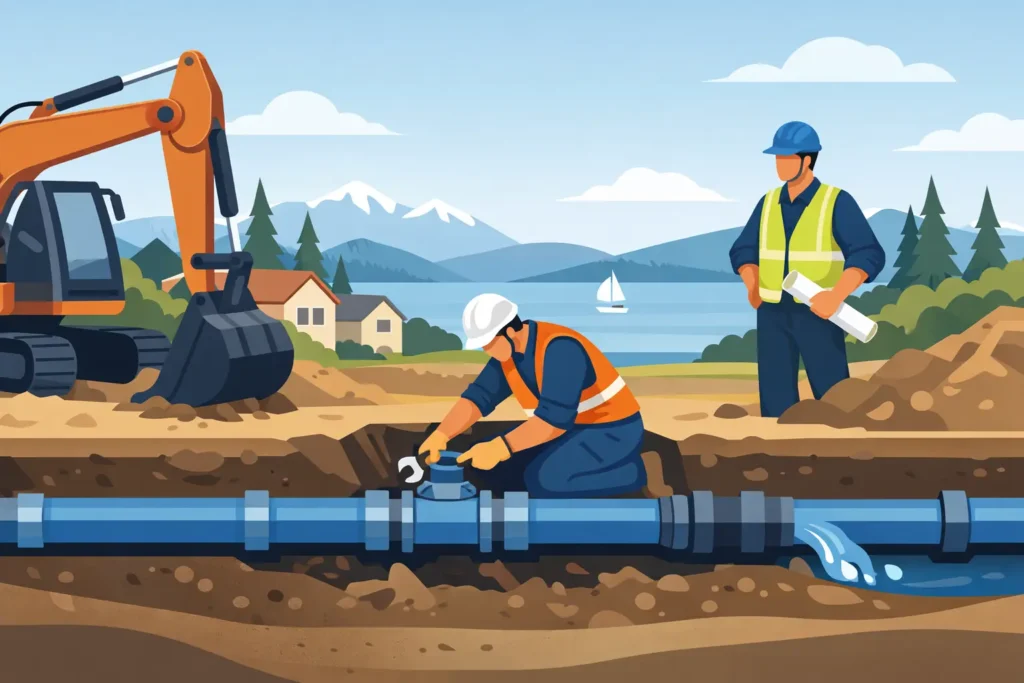
There is no one-size-fits-all water line job. Some homes need a new line to a refrigerator, sink, water heater, or bathroom fixture. Others need a section of piping replaced after a leak. In more extensive cases, replacing a main water line or repiping aging sections may be the most practical long-term choice.
The best option depends on pipe condition, access, the location of the damage, the home’s layout, and whether previous repairs have already added up. A targeted repair usually involves less immediate work. A replacement can cost more upfront, but may make better sense when the existing pipe is unreliable or likely to fail again.
Planning for access and protection
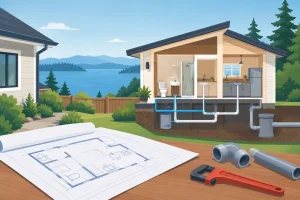
Water lines can run through walls, ceilings, crawl spaces, utility areas, and beneath slabs. Access affects both the installation method and the amount of restoration needed afterward. An experienced plumber looks for the least disruptive route that still provides a sound, code-conscious installation.
Before work begins, the water supply is shut off and the affected area is prepared. Floors, nearby surfaces, and belongings should be protected. If a wall or ceiling needs to be opened to reach damaged pipe, the work should stay as contained as possible. Clean work habits matter because plumbing repairs already create enough stress without leaving your home in worse shape.
Installing durable piping and connections
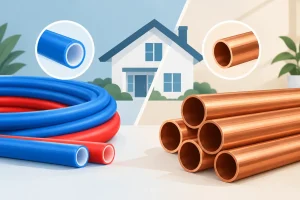
The material selected for a new water line should fit the job, local requirements, water conditions, and the layout of the house. Modern piping options can offer strong corrosion resistance and flexibility, while other materials may be appropriate for specific connections or exposed areas. What matters most is proper sizing, secure connections, supported runs, and workmanship that accounts for the way your home uses water.
A line that is too small can leave showers, washing machines, and faucets competing for flow. Poorly supported pipe can move or make noise. Weak connections can leak long before the pipe itself wears out. Those details are why installation quality matters as much as the material chosen.
Testing before the job is finished
A new water line should be tested before the work is considered complete. The plumber checks connections, confirms proper water flow, and makes sure fixtures are operating as expected. If the job involved a shutoff valve or a connection to an appliance, those components should also be checked for reliable operation.
This final step is more than a quick look for drips. It is the point where small adjustments can be made before the area is closed up or your household returns to normal use.
How to Prepare Your Home for Installation
Most water line projects go more smoothly with a little preparation. Clear personal items from under sinks, utility rooms, or the immediate work area. If the line serves a kitchen or bathroom, plan for a temporary period without water at that fixture. For a larger project, you may need to avoid using water throughout part of the home while the supply is shut off.
Ask ahead of time how long the water interruption is expected to last, whether walls or flooring may need access, and what restoration work may be needed after plumbing is complete. Clear answers help you plan around work, school, pets, and household routines.
It is also wise to mention any past plumbing repairs, recurring pressure issues, odd sounds, or areas where you have seen moisture. Details that seem minor can help pinpoint a larger pattern. A good service visit is a conversation, not just a technician working in silence.
Why Waiting Can Cost More
A slow leak may feel manageable because it is not flooding the room. Unfortunately, hidden water has time to soak framing, insulation, drywall, flooring, and cabinets. It can also create conditions for unpleasant odors and indoor moisture problems. By the time a stain appears, the leak may have been active for a while.
Waiting on low pressure can create a different kind of frustration. Daily routines take longer, appliances may not perform as expected, and homeowners often keep replacing fixtures when the actual problem is the supply line behind them. Addressing the source avoids spending money on surface-level fixes that do not solve the real issue.
Emergency situations call for immediate action. If you see active water, hear a strong rush behind a wall, or cannot stop a leak with a fixture shutoff, turn off the home’s main water supply if it is safe to do so. Then call for help. Fast response can limit damage, but a lasting repair is what restores confidence in your plumbing.
A Long-Term Fix Should Feel Straightforward
Water line work can sound overwhelming, especially when the pipe is hidden behind finished surfaces or under your home. You should not have to guess what is failing, why a specific repair is recommended, or what will happen next. Clear communication and careful installation turn a stressful problem into a manageable home repair.
For homeowners in Silverdale, Leakless Plumbing focuses on practical answers, respectful service, and repairs built to hold up. Whether the job is a small fixture line, a damaged section of pipe, or a larger replacement decision, the right next step is to get the condition of the line checked before a minor warning becomes a major interruption. Don’t stress the mess, call LeakLess.