A pipe can leak once and never cause another problem. But when leaks, low pressure, rusty water, or repeated repairs start becoming part of life at home, the question changes from “How do we fix this?” to “Is it time to replace the pipes?” Knowing when to repipe can help you prevent major water damage, avoid repeated service calls, and make a smart decision before a small issue becomes an emergency.
Repiping is a bigger project than repairing one damaged section, so it should not be the automatic answer to every plumbing problem. The right choice depends on your pipe material, the age of the home, the condition of the system, and whether problems are isolated or showing up throughout the house.
When to repipe instead of making another repair
A repair is usually the practical choice when damage is limited to one accessible section of pipe and the rest of the plumbing is in good condition. A loose connection, a single frozen pipe, or damage from a one-time accident does not necessarily mean your whole home needs new water lines.
Repiping becomes worth discussing when the system is failing in multiple places or has reached the point where repairs are only buying time. Here are eight signs that deserve a professional inspection.
1. You have recurring leaks in different areas
One leak can be a fluke. Two or three leaks in unrelated parts of the home can point to widespread pipe deterioration. Older pipes often weaken from the inside out, especially where corrosion, mineral buildup, or aging fittings have reduced their strength.
If a plumber repairs a pipe in the laundry room one month and finds another leak near a bathroom or under the kitchen sink later, it is reasonable to ask whether more failures are likely. Replacing the problem section may stop the immediate leak, but it cannot restore the condition of the remaining pipes.
2. Your water has a rusty, yellow, or brown tint
Discolored water is often one of the clearest warning signs of corrosion in older metal pipes. You may notice it first when you turn on a faucet after the water has not been used overnight. The color may clear after a minute, but that does not mean the underlying issue has gone away.
Water discoloration can also come from a water heater or a localized plumbing issue, so it should be diagnosed rather than assumed. Still, if rusty water appears at several fixtures and the home has aging galvanized pipes, repiping may be the more lasting solution.
3. Water pressure has dropped throughout the house
Low pressure at one showerhead may be caused by mineral buildup in that fixture. Low pressure at multiple sinks, showers, and appliances is different. It can mean the inside of older pipes has narrowed from corrosion and deposits, restricting water flow.
This problem tends to get worse gradually, which makes it easy to overlook. Homeowners often adjust to weaker showers and slower faucets until they compare them with the pressure they had years earlier. A professional can help determine whether the restriction is in the supply line, a fixture, or the home’s interior piping.
4. Your home has galvanized steel pipes
Many older homes were built with galvanized steel water pipes. These pipes were common for decades, but they are known to corrode internally over time. As the interior coating breaks down, water flow can decrease and leaks can become more likely.
Not every galvanized system fails on the same schedule. Water conditions, previous repairs, and how long the home has been occupied all matter. But if you know your house has galvanized pipes and you are already dealing with leaks, poor pressure, or discoloration, a repipe evaluation is a sensible next step.
5. Repairs are becoming a regular household expense
There is a point where repeated repairs cost more in the long run than a planned replacement. This is not just about the repair invoice. Each leak can involve drywall removal, flooring damage, mold concerns, missed work, and the stress of shutting off water when your household needs it most.
A planned repipe lets you address the system on your schedule. An emergency pipe failure puts the schedule in charge. For busy families, that difference matters.
6. You hear pipes banging, rattling, or making new noises
Pipes can make noise for several reasons, including loose mounting, pressure changes, or water hammer. Those issues do not automatically call for repiping. However, new noises alongside leaks, pressure loss, and visibly aging pipes can add to the overall picture.
A plumber should identify the cause before recommending a major project. Sometimes a pressure adjustment or pipe support repair solves the issue. When the noise is tied to failing lines or deteriorated fittings, replacement may be the more dependable option.
7. You see corrosion, stains, or damp spots around pipes
Visible corrosion on exposed plumbing is a reason to pay attention. Greenish staining on copper, rust on steel, flaking pipe surfaces, or white mineral deposits around fittings can indicate a slow leak or a pipe that is nearing failure.
Damp drywall, bubbling paint, a musty smell, or unexplained stains on ceilings should also be taken seriously. Hidden leaks can damage framing and finishes long before water becomes visible. Finding the source quickly protects the home and gives you a clearer picture of whether the problem is isolated.
8. You are renovating or preparing to sell
A major kitchen or bathroom remodel can be a practical time to replace aging pipes, particularly if walls or ceilings will already be opened. Doing the plumbing work during renovation can reduce future disruption and prevent new finishes from being cut into later for an emergency repair.
For home sellers, an old plumbing system does not always need replacement before listing. But unresolved leaks, visibly corroded pipes, and known water-pressure issues can become inspection concerns. Addressing significant problems early may make the selling process less stressful and give buyers more confidence.
What a whole-home repipe involves
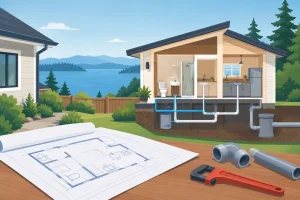
Repiping means replacing the home’s water supply lines, not every drain in the house. Depending on the layout and materials, a plumber may run new lines through crawlspaces, attics, walls, or other accessible routes. The goal is to restore reliable water delivery to fixtures throughout the home while limiting unnecessary disruption.
In many homes, the work involves small, targeted wall openings rather than tearing out entire rooms. Those openings may need patching after the plumbing is complete. A clear plan should explain where access is needed, what material will be installed, how long water may be off, and what restoration is included or recommended afterward.
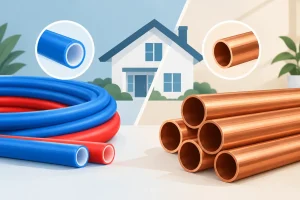
Copper and PEX are common modern piping options. Copper is durable and familiar to many homeowners, while PEX is flexible, corrosion-resistant, and often easier to route through an existing house. The best material depends on the home, local requirements, budget, and the specific installation plan. A good recommendation should explain the trade-offs in plain language instead of treating one option as right for every house.
Do not wait for a burst pipe to get answers
A repipe is not always urgent, even when pipes are old. If there are no active leaks, no significant corrosion, and water flow is still reliable, you may have time to plan and budget. On the other hand, an active leak, rapidly worsening pressure, or water showing signs of corrosion deserves prompt attention.
For homeowners in Port Orchard and nearby Kitsap County communities, Leakless Plumbing can inspect the condition of your water lines, explain what is causing the problem, and help you compare a focused repair with a longer-term replacement. The goal is not to sell more work than you need. It is to prevent repeat failures and give you a solution that holds up.
If you are unsure whether your pipes need a repair or a full replacement, start with the pattern: how often problems occur, where they appear, and whether the system is getting less reliable over time. Acting before the next leak gives you more control, more options, and a far calmer day at home.