A bathroom, laundry room, or kitchen remodel can make an aging water heater suddenly impossible to ignore. Maybe it is tucked behind a wall you plan to move, the hot water runs out during morning showers, or old pipes are showing signs of corrosion. Water heater remodel plumbing is the right time to solve those issues before new finishes go in and make repairs more disruptive and expensive.
A water heater is not just another appliance in the corner. Its location, fuel source, drainage, venting, shutoff valves, and pipe connections all affect how safely and reliably your home gets hot water. Planning these details early helps a remodel stay on schedule and protects the work you are investing in.
Start Water Heater Remodel Plumbing Before Demolition
The best time to assess a water heater is before walls are opened, flooring is removed, or cabinets are ordered. A plumber can inspect the current unit, confirm its capacity, and look at the condition of the surrounding plumbing. This is especially helpful in older Kitsap County homes, where a remodel can expose aging supply lines, undersized drain connections, or shutoff valves that no longer operate properly.
If your existing water heater is nearing the end of its expected service life, replacing it during the remodel is often more practical than waiting for it to fail. A leaking tank can damage new flooring, drywall, cabinets, and stored belongings quickly. Replacing a worn-out unit before the room is finished gives the installer better access and can prevent the frustration of tearing into a newly completed space later.
It also gives you a chance to correct the layout. A water heater should not be squeezed into a location that leaves no room for service, inspection, or future replacement. The right setup makes routine maintenance easier and helps avoid rushed decisions when a repair is needed.
Choose the Right Water Heater for How You Live
The best water heater is not always the biggest one. It depends on the number of people in the home, how many bathrooms are used at the same time, whether you have a large soaking tub, and how your household uses hot water throughout the day.
A traditional tank water heater stores a set amount of heated water. It is a familiar, dependable choice for many households and can be a good fit when the existing space and utility connections support it. The trade-off is that a tank takes up more room, and a busy household can use its stored hot water faster than the system can recover.
A tankless water heater heats water as it flows through the unit. It can free up floor space and provide a longer supply of hot water, but it must be sized correctly. If the unit is too small for the home’s peak demand, someone may notice cooler water when multiple fixtures are running. Tankless models can also require changes to gas lines, electrical service, venting, or water piping. Those added requirements should be part of the remodel budget from the start.
For some homes, keeping a properly sized tank unit is the most sensible choice. For others, a tankless system is worth the added installation work. A clear assessment of your household’s actual demand is more useful than choosing based on a label or a showroom display.
Location Affects Safety, Access, and Future Repairs
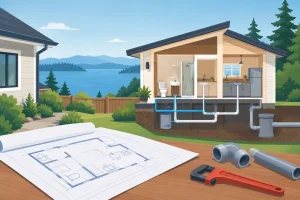
Moving a water heater may create the open layout or storage space you want, but it is more involved than relocating a fixture. The new location may need hot and cold water lines, a drain connection, proper ventilation, electrical power or gas service, and enough clearance for safe access.
Drainage deserves special attention. Water heaters have safety components that may discharge water, and a tank failure can release a significant amount of water. Depending on the location and equipment, proper drainage can help direct water away from finished areas. This matters even more when a water heater is installed near new cabinetry, finished basements, or upper-floor living spaces.
If the unit will be in a garage, utility closet, attic, or conditioned interior space, the installation details will vary. Gas equipment needs appropriate combustion air and venting. Electric models need correctly sized wiring and a safe connection. In earthquake-prone Washington, secure strapping is also a key part of a safe installation. These are not details to leave until the last day of the project.
Do Not Reuse Problem Plumbing Around a New Water Heater
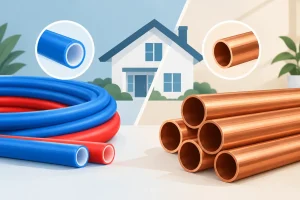
A remodel is a good opportunity to look beyond the heater itself. Old flexible connectors, corroded valves, poorly supported pipes, and worn supply lines can all become the next source of a leak. Installing a new water heater while leaving failing connections in place may save a little now, but it can create another repair call soon after the remodel is done.
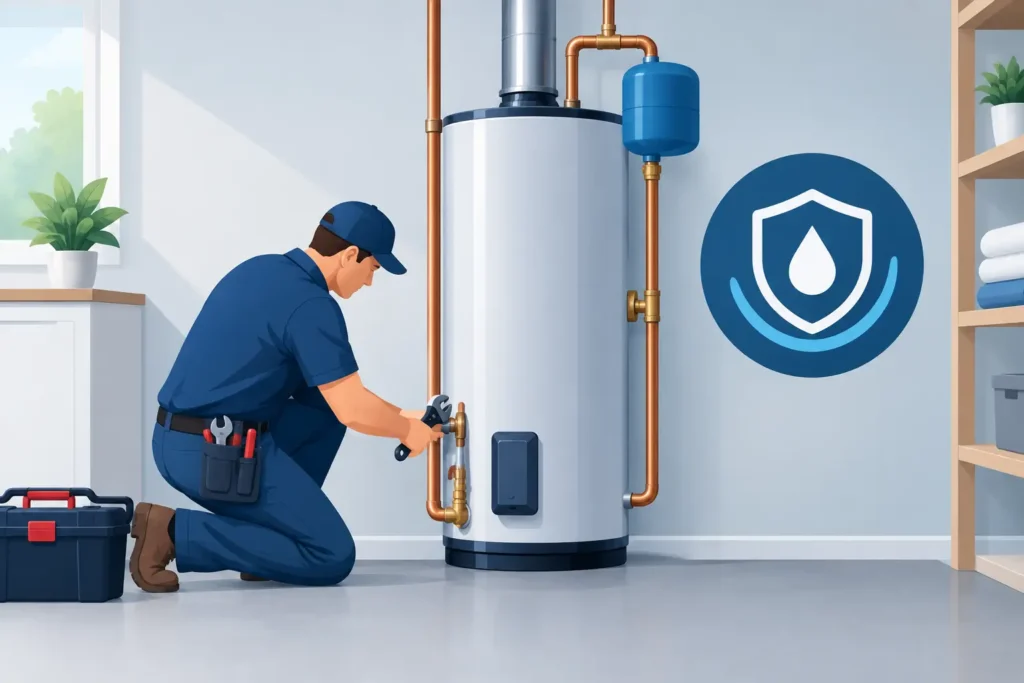
A professional installation should include accessible shutoff valves and properly connected hot and cold water lines. If pressure is a concern in the home, the plumber can evaluate whether related components need attention as well. The goal is not to replace parts without reason. It is to make sure the new system is supported by plumbing that is in good enough condition to last.
This is also a useful time to consider pipe routing. Exposed pipes in an unfinished area may be easy to access, while pipes buried behind a new shower wall will be harder and more costly to repair. Thoughtful routing and secure support reduce the chance of noise, movement, and hidden leaks down the road.
Plan for Permits and the Full Scope of Work
Water heater work can involve local permit and code requirements, particularly when changing fuel type, relocating the unit, altering venting, or adding electrical or gas connections. Permits are not just paperwork. They help ensure that safety items such as drain routing, venting, clearances, and secure mounting are addressed correctly.
A remodel often involves several trades working in the same space. The plumbing portion should be coordinated with framing, electrical work, drywall, flooring, and cabinetry. For example, moving a water heater closet wall before the new pipes are planned can lead to unnecessary rework. Likewise, closing a wall before valves and connections are tested can turn a small adjustment into a bigger job.
Clear communication matters here. You should know what equipment is being installed, whether any upgrades are needed for the new system, where shutoff valves will be located, and what portions of the work may affect the overall remodeling schedule. A dependable plumber explains those decisions in plain language instead of leaving you to sort through surprises after the fact.
Watch for Signs That Replacement Should Be Part of the Remodel
Sometimes a water heater can remain in service through a remodel. Other times, the warning signs are too clear to ignore. Rust-colored water, moisture around the base of the tank, inconsistent hot water, popping or rumbling sounds, and a unit that is well into its later years all deserve a professional look.
A small leak may seem manageable when it is contained in an unfinished utility room. Once the surrounding area has new flooring and finished walls, that same leak has more to damage. If there is any doubt about the tank’s condition, it is usually better to make the decision before the remodel locks the unit behind finished work.
For homeowners in Port Orchard and nearby communities, Leakless Plumbing can assess the existing setup, explain practical options, and complete the plumbing work with the long term in mind. The goal is not simply to get hot water running again. It is to leave you with a system that fits the remodeled space and does not create another avoidable headache.
A good remodel should make daily life easier, from the first shower in the morning to the last load of laundry at night. Give the water heater the same attention you give the visible finishes, and you can enjoy the new space without wondering what is happening behind the walls. Don’t stress the mess, call LeakLess.